
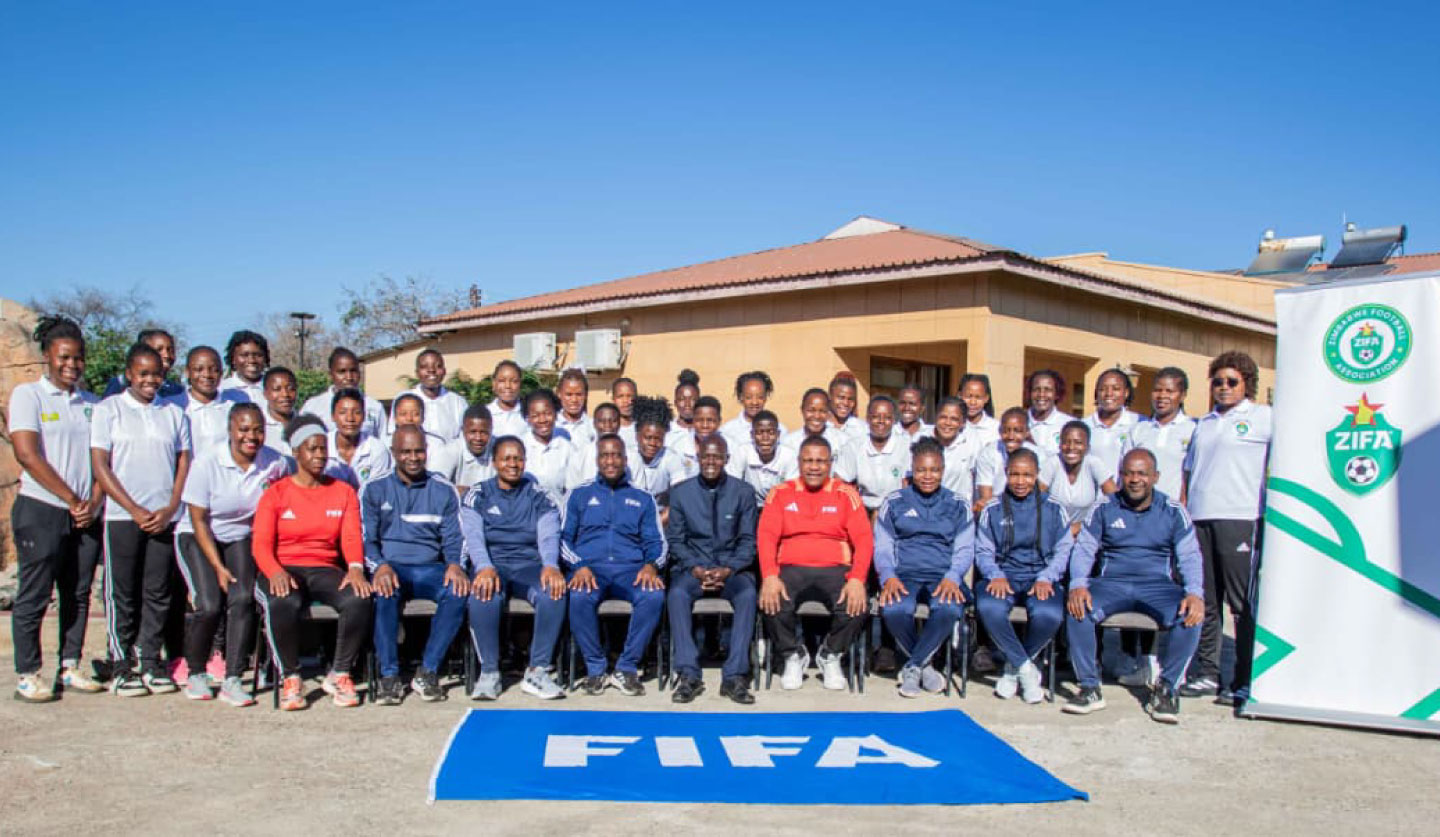
Bulawayo is this week hosting the FIFA MA All-Women Referees Course, marking another important step in the Zimbabwe Football Association’s drive to develop female match officials and create stronger pathways for women to reach the highest levels of refereeing.
The intensive programme brings together elite female referees for a week of technical, physical and practical training aimed at improving decision-making, match management, fitness and overall understanding of the modern game.
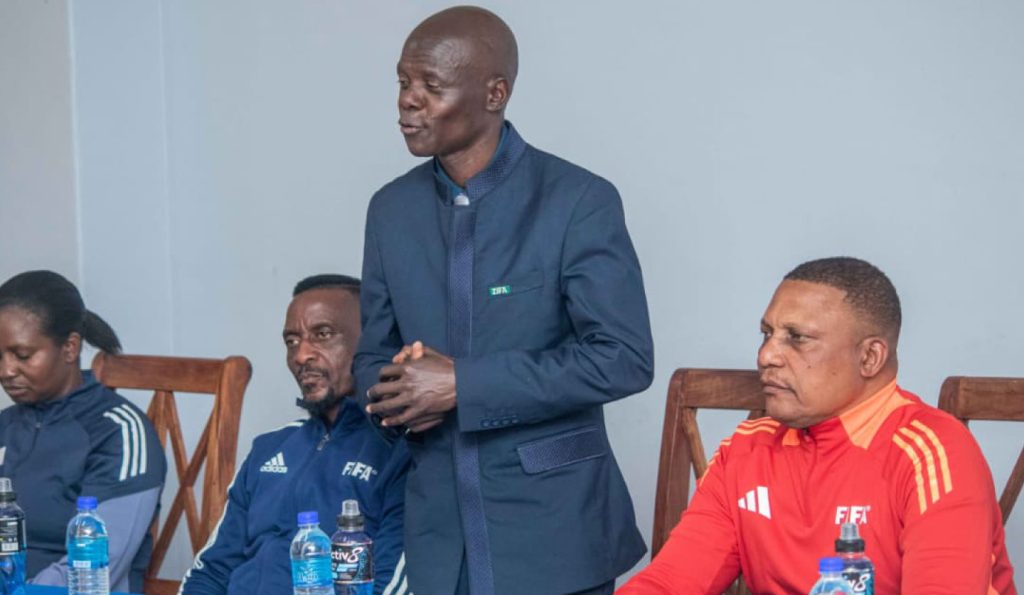
The course was officially opened by ZIFA Bulawayo Province Chairperson Sakhumuzi Ndlovu, who attended as Guest of Honour and welcomed the participants to the city.
Ndlovu described the course as an important investment not only in the individual referees taking part, but in the future of Zimbabwean football.
“Having an all-women referees course of this nature is significant because it demonstrates that there is a clear pathway for women who want to reach the highest levels of officiating,” said Ndlovu.
“We want every participant here to recognise the opportunity before them. Take the knowledge, challenge yourselves and leave this course better prepared than when you arrived. Our ambition must be to see more Zimbabwean women officiating at the highest levels on the continent and internationally.”
The programme forms part of ZIFA’s wider drive to improve refereeing standards through continuous education, assessment and exposure to modern trends in officiating.
For the participants, the week is about much more than completing another course. It provides an opportunity to sharpen their skills, test themselves against elite standards and position themselves for greater responsibilities in domestic, continental and international football.
The programme combines theory with extensive practical work, beginning with physical assessments through the FIFA Fitness Test before moving into a wide range of technical areas.
Among the key subjects being covered are amendments to the Laws of the Game, the demands placed on the modern referee, challenges and considerations, tactical fouls, handball situations, penalty-area incidents and offside decisions.
Video tests and discussions form an important part of the programme, allowing participants to analyse different match situations, make decisions and interrogate the considerations behind those decisions.
The referees are also taking part in practical activities involving players, supported by video footage and instant feedback. This gives them an opportunity to apply classroom lessons in realistic situations and receive immediate guidance on positioning, movement, communication and decision-making.
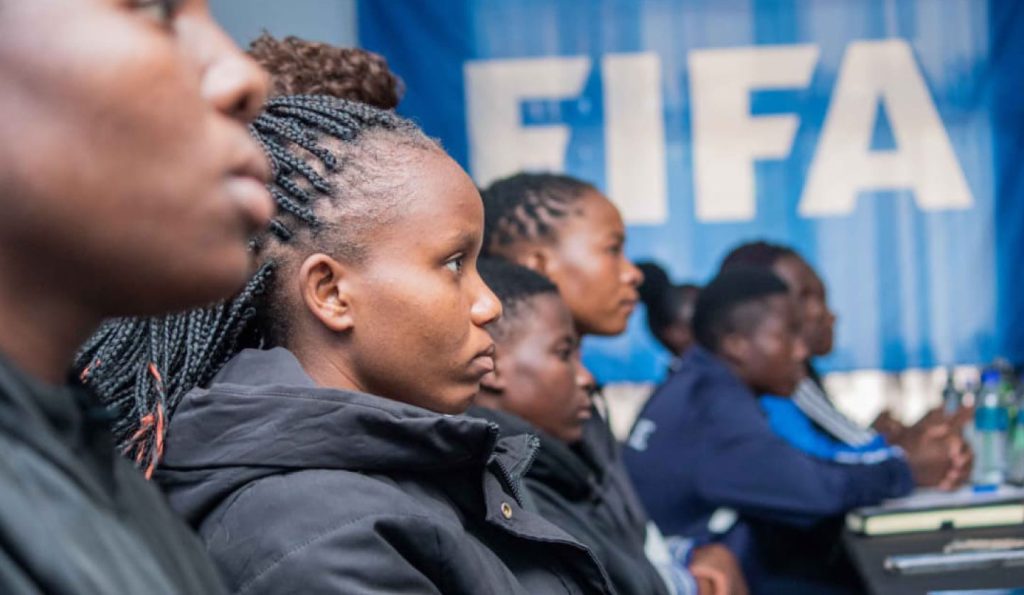
Physical preparation is another major component of the course. Modern refereeing requires officials who can keep pace with increasingly quick and intense football while maintaining the concentration required to make accurate decisions under pressure.
ZIFA Referees Committee Chairperson Faith Mloyi said the dedicated programme for women reflects the Association’s determination to develop a refereeing structure in which female officials have genuine opportunities to progress.
“Our responsibility is to create the environment and opportunities for our referees to develop, but ultimately every official must also have the ambition to keep learning and improving,” said Mloyi.
“For our female referees, we want to see a clear pathway from our domestic competitions to COSAFA, CAF and FIFA assignments. Courses such as this one give them the tools, but the challenge is to take that knowledge onto the field and consistently demonstrate the standards required at elite level.”
Integrity is another important component of the Bulawayo programme, reinforcing the responsibility referees carry as custodians of fairness and credibility on the field.
The course also covers report writing, including a presentation by the Premier Soccer League. Accurate and professional match reporting remains an important administrative responsibility for match officials and an essential part of the proper management of competitions.
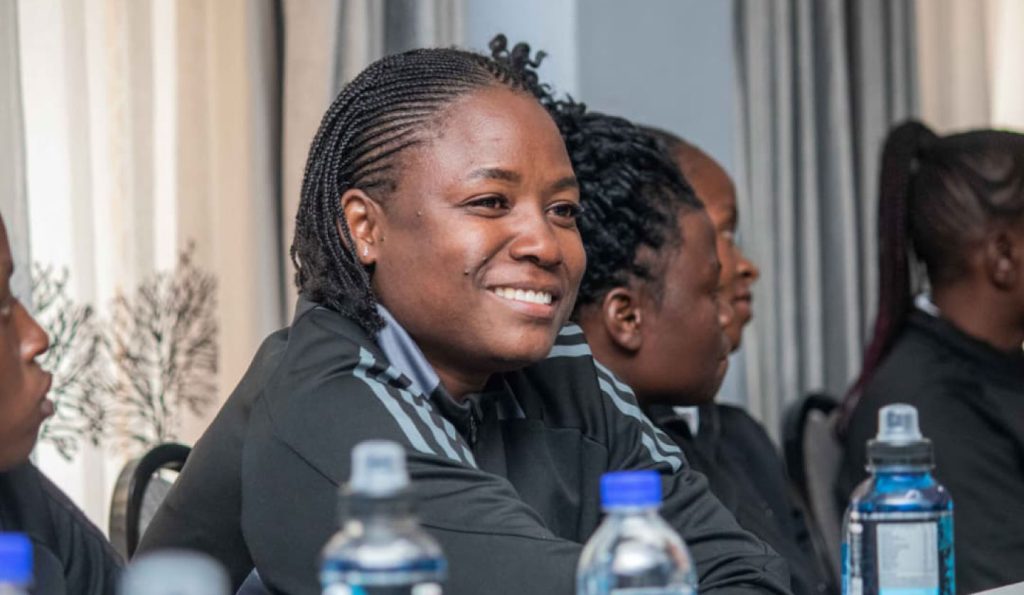
The all-women course comes as ZIFA continues to intensify referee education across the country. The approach combines classroom instruction, practical exercises, video analysis and physical assessments as part of a broader effort to produce officials who are technically competent, physically prepared and capable of performing consistently under pressure.
For ZIFA, developing female referees is therefore not simply about increasing participation numbers. The objective is to develop officials who can compete for appointments on merit and represent Zimbabwe with distinction wherever they are assigned.
That requires continuous learning, physical preparation, integrity, confidence and the ability to make difficult decisions in demanding environments.The FIFA MA All-Women Referees Course in Bulawayo provides another platform to build those qualities.
As the participants continue through the programme, the expectation is that they will leave with greater knowledge, renewed confidence and a clearer understanding of what is required to operate at elite level.
For Zimbabwean football, every investment in referee education strengthens the credibility and quality of the game. For the women taking part this week, the opportunity is even bigger: to learn, to improve, to rise through the ranks and demonstrate that Zimbabwe’s female referees belong on the biggest stages.
More News
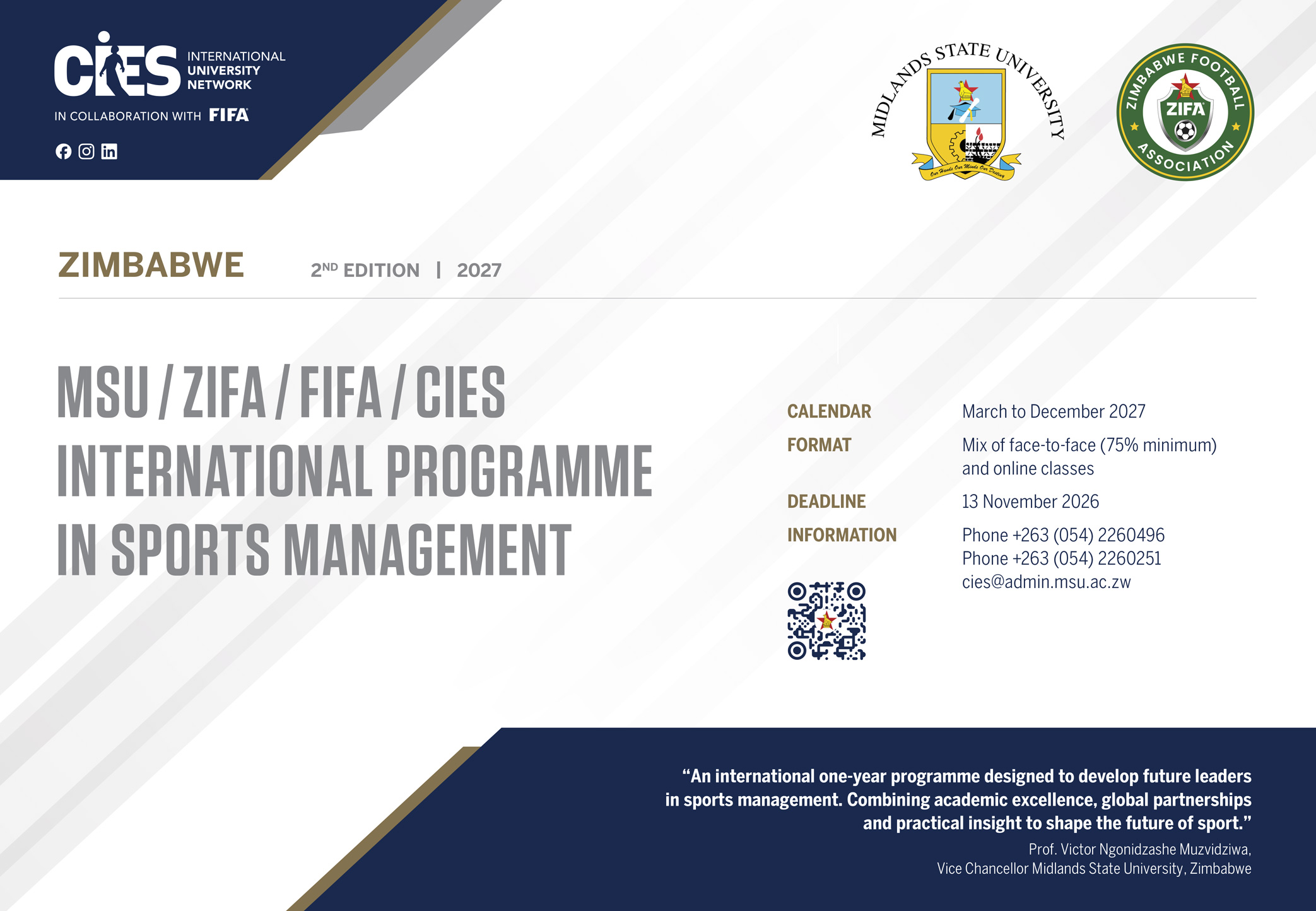
MSU/ZIFA/FIFA/CIES International Programme: Second Edition
Thu 13 Aug 2026
Zimbabwe’s sports management journey is entering its second chapter. Following the launch of the inaugural MSU/ZIFA/FIFA/CIES International Programme in Sports Management in 2026, Midlands State University, in collaboration with the Zimbabwe Football Association, FIFA and the International Centre for Sports Studies (CIES), is now welcoming applications for the 2nd Edition of the programme in 2027. […]

Zimbabwe Football Association 2026 © All Rights Reserved