

Zimbabwean football has taken an important step towards introducing Video Assistant Referee technology, with a two-day FIFA-led kick-off meeting beginning in Harare on 21 September, supported by a funding commitment from Sakunda Holdings.
The meeting brought together ZIFA, the Premier Soccer League, clubs, government and municipal representatives. FIFA instructor Felix Tangawarima, who heads the Zimbabwe project, joined fellow FIFA experts for the programme.
ZIFA President Nqobile Magwizi placed the initiative within the Association’s wider reform agenda, while stressing that implementation would require preparation.
“It does not mean VAR will be at the next game,” Magwizi said.
Sakunda’s support covers Rufaro, Barbourfields and the National Sports Stadium, with scope to assist at additional venues recommended by ZIFA.
“We stand with ZIFA on this project,” said chief operating officer Mberikwazvo Chitambo, delivering remarks on behalf of chief executive officer Kudakwashe Tagwirei.
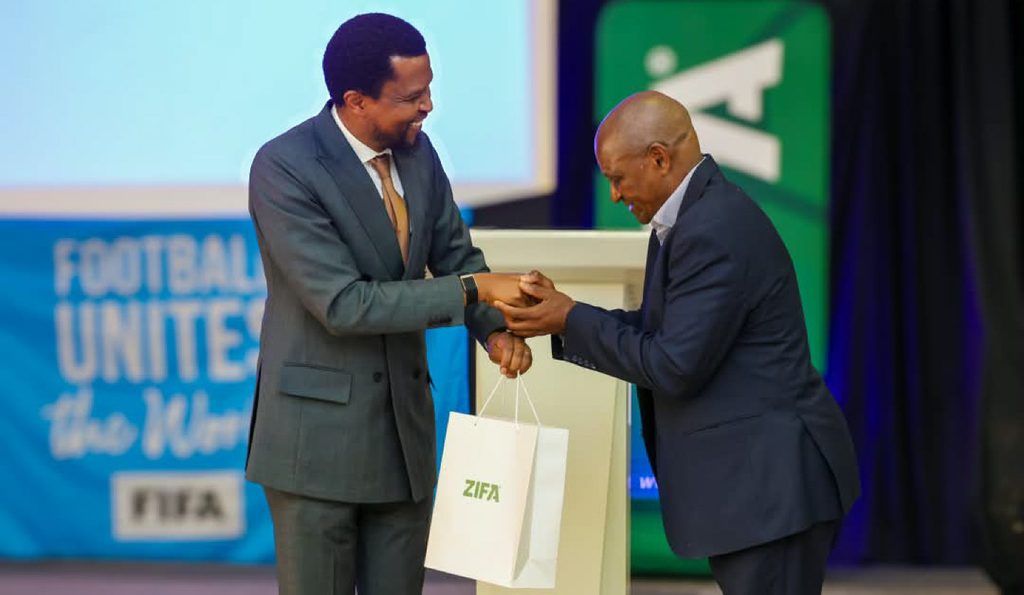
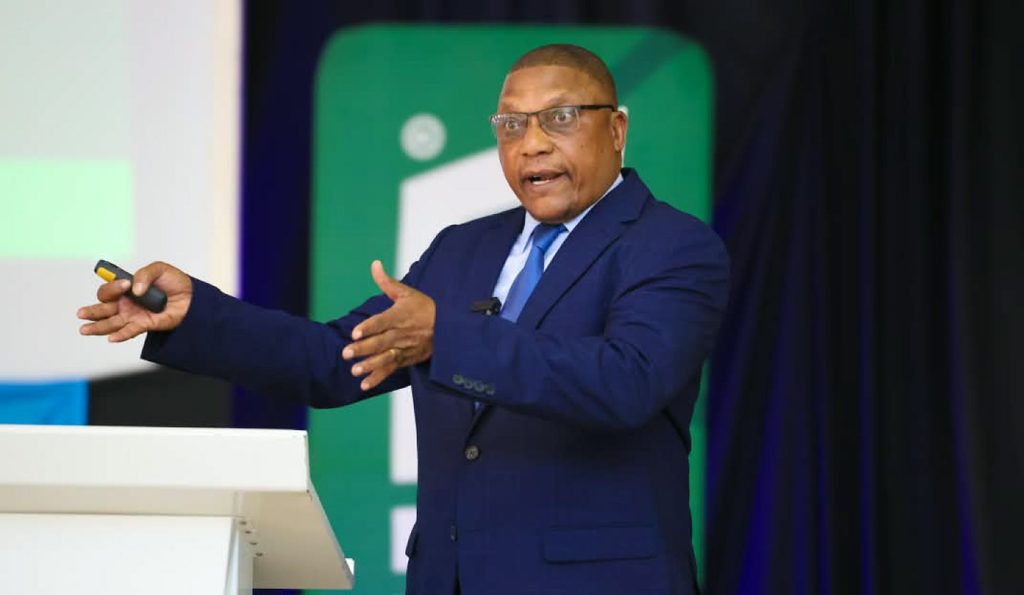
Tangawarima highlighted the importance of developing local expertise, including technical and operational personnel. Zimbabwe already has seven officials trained in VAR through CAF and COSAFA.
“We need to start from somewhere,” he said.
For Zimbabwean football, the opportunity is significant. Better support for match officials can help protect the work that players and coaches invest in preparing for competition. It can also contribute to greater confidence among supporters, whose emotional investment in the game makes the accuracy of major decisions particularly important.
Delivering those benefits requires a structured process. FIFA’s Implementation Assistance and Approval Programme provides the framework for competition organisers introducing VAR. New organisers must complete its requirements, including the testing and approval of the technology, before bringing the system into competitive use.
Stadium readiness forms part of that work. FIFA requires technology tests at venues where an organiser has not previously used VAR. This makes preparation at each ground an essential part of implementation, alongside decisions about the equipment and service providers involved.
The practical implication is that progress must be measured by readiness. A successful introduction depends on the people operating the system, the reliability of its matchday arrangements and a shared understanding of responsibilities. Every element needs to work together when a referee requires assistance during a match.
VAR itself operates within defined limits. Under the International Football Association Board’s protocol, video officials assist with specified incidents where a significant error or missed incident may require intervention. The referee on the field retains responsibility for the final decision.
Officials must still make their initial decisions during play. Where a review is necessary, the referee may act on information supplied by the video official or examine footage at the pitchside review area. The technology therefore adds another source of evidence to the decision-making process.
The protocol also sets expectations for conduct. Players and team officials must allow reviews to proceed without attempting to influence the referee. Understanding these procedures will be important for everyone involved as Zimbabwe prepares for implementation.

Public education deserves equal attention. Supporters need clear explanations of what VAR can review, why some incidents require further examination and why others do not. Accessible communication can help fans follow the process and judge it against its actual purpose.
For referees, the wider opportunity is professional development. Investment in specialist skills should encourage a culture of preparation, careful judgement and continuous learning. Officials deserve the tools and support to perform demanding duties, alongside clear standards against which their performance can be assessed.
There is also a broader lesson for football development: sustainable improvement requires shared responsibility. Administrators, commercial partners, stadium operators and football participants each have a contribution to make. Their work must connect around the needs of the match and the people who play, officiate and watch it.
The task ahead is to turn that shared responsibility into dependable practice. This means maintaining attention to detail throughout preparation and keeping football’s interests at the centre of every decision.
The ambition is a game in which professionalism is strengthened, referees are better supported and confidence grows through credible processes. Achieving that ambition will demand patience, cooperation and consistent work. Zimbabwe’s football community now has an opportunity to help build those foundations and carry the game forward together.
More News

THE ROAD TO GLORY: MUNHUMUTAPA CUP DRAW SERVES UP OCTOBER THRILLERS
Thu 10 Sep 2026
The opponents are confirmed, the pathways mapped out and the dream of lifting the ZIFA Munhumutapa Challenge Cup has moved a little closer. Yesterday’s quarter-final and semi-final draw in Harare delivered an exciting spread of fixtures, setting up a compelling next chapter across the men’s, women’s and futsal competitions. ZIFA President Nqobile Magwizi and General […]

Zimbabwe Football Association 2026 © All Rights Reserved