
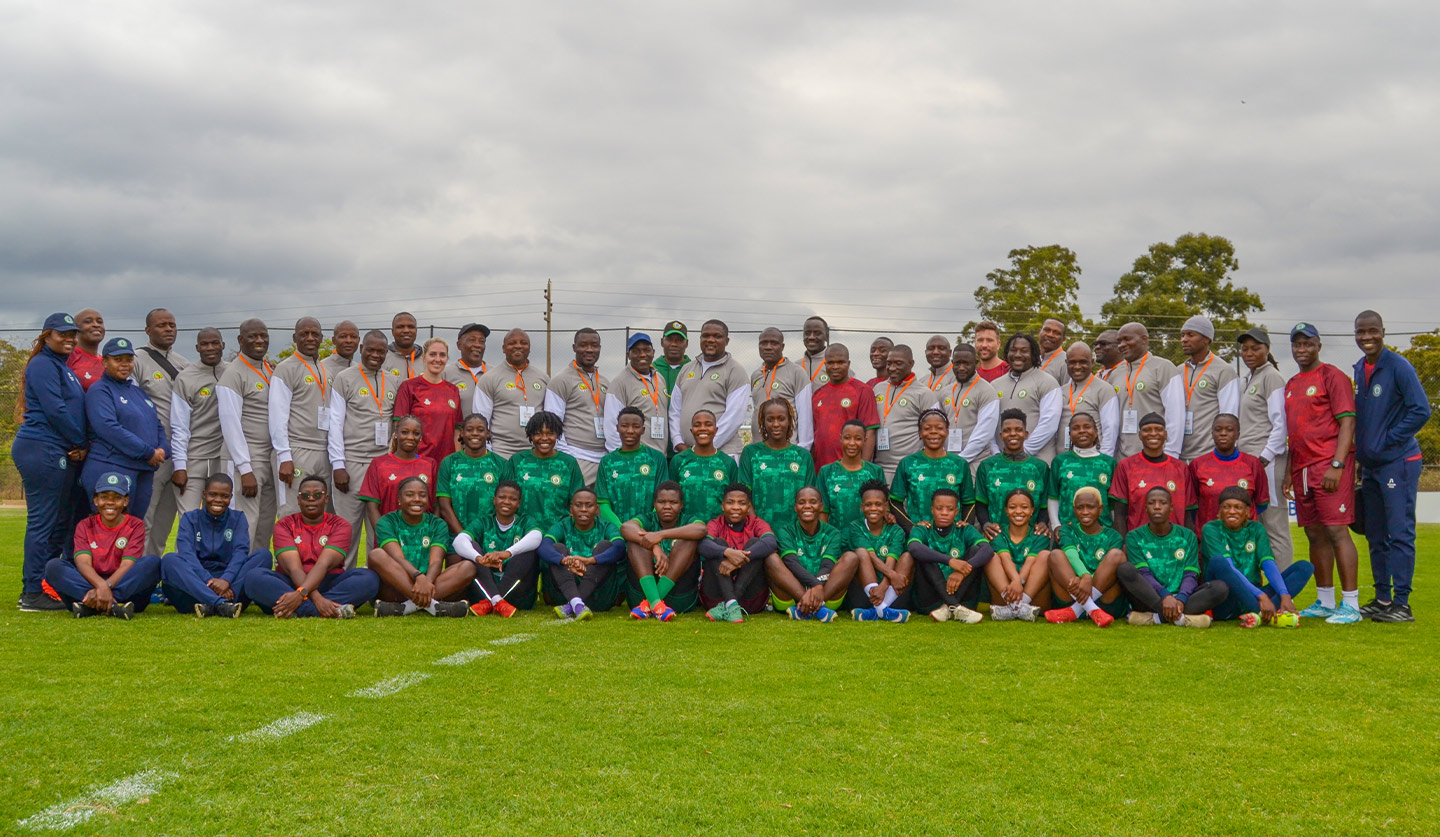
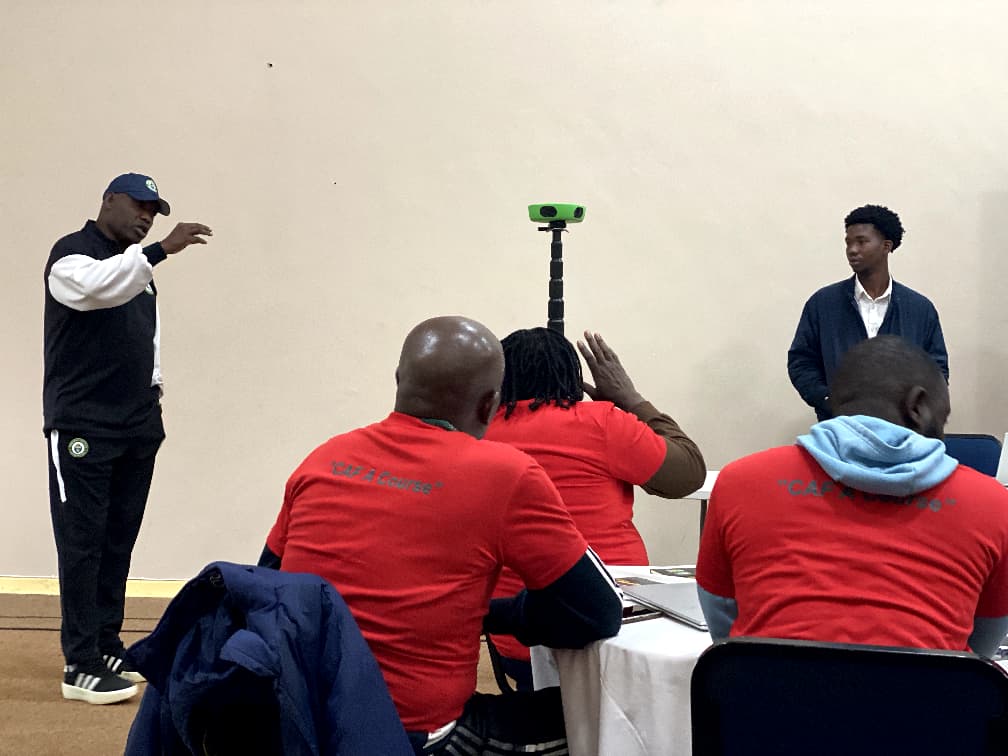
Watching a training session through a coach’s eyes means looking beyond the ball. It means studying how a session is organised, how instructions are delivered and how each exercise serves a wider purpose. That practical perspective was central to the second module of ZIFA’s CAF A Coaching Course, which the Technical Department has completed.
The module connected classroom learning with exposure to top level coaching environments, giving participants opportunities to observe Scottland’s training session at Scottland Village and the Mighty Warriors at work. An invited video analyst also introduced participants to the role of video analysis in supporting coaches, adding another dimension to their understanding of the modern game.
Together, these experiences reflected the Technical Department’s emphasis on developing coaches who can translate knowledge into effective practice. For participants working towards the CAF A qualification, the challenge extends beyond understanding football concepts to knowing how to communicate, apply and evaluate them in different team environments.
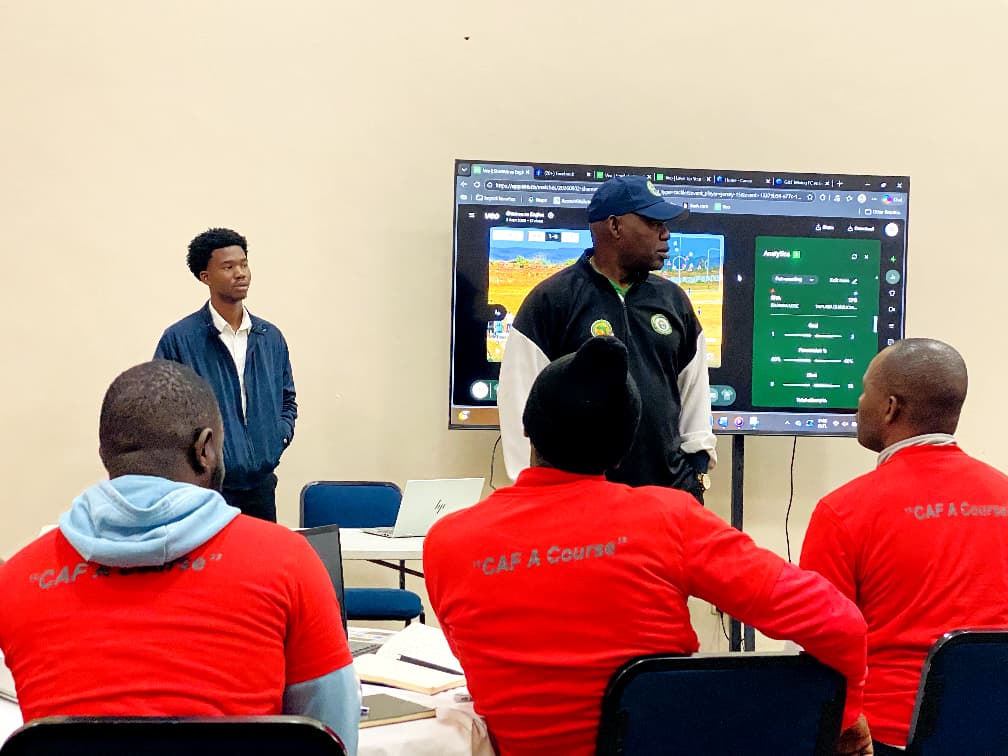
ZIFA Technical Director Dominique Niyonzima said the course was part of a sustained effort to improve the quality of coaching across Zimbabwe.
“Our responsibility is to develop coaches who can meet the demands of the game and help our players improve. That requires us to connect theory with practice. We want participants to observe, ask questions and think carefully about the decisions coaches make, then use that understanding to strengthen their own work,” said Niyonzima.
“Completing a module is an important step, but the real measure of progress is what a coach does with that knowledge on the training ground.”
The visit to Scottland Village offered participants a valuable opportunity to observe a club representing Zimbabwe in the CAF Champions League. That continental context gave the exercise particular relevance, exposing the class to a training environment associated with the demands of competition beyond domestic football.
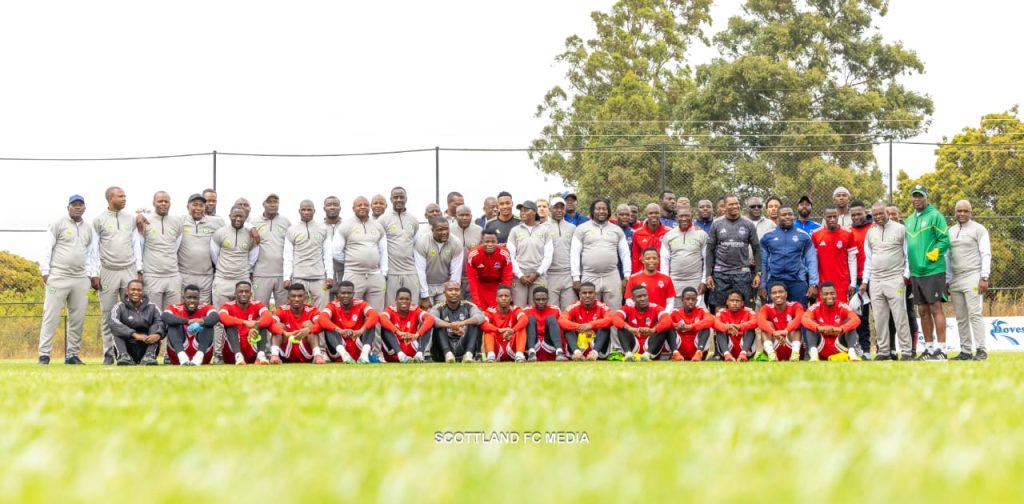
Observing another coach’s session creates room to consider the detail behind preparation: the sequence of activities, the balance between instruction and action, and the way players respond to the tasks set before them. It also encourages participants to reflect on their own methods and consider where adjustments could improve learning and performance.
The purpose of such exposure is to develop judgement. An exercise that works in one setting may require adaptation in another, depending on the players, available resources and objectives. Learning to recognise those differences is an essential part of a coach’s development.
The class also observed a Mighty Warriors training session, broadening its exposure to include the senior women’s national team environment. The visit provided another setting in which participants could study coaching delivery and consider the demands of preparing players to represent their country.
Including both club and national team sessions gave the module a wider practical scope. It reinforced the value of learning across different parts of the game and encouraged participants to approach women’s football as an integral part of their coaching education.
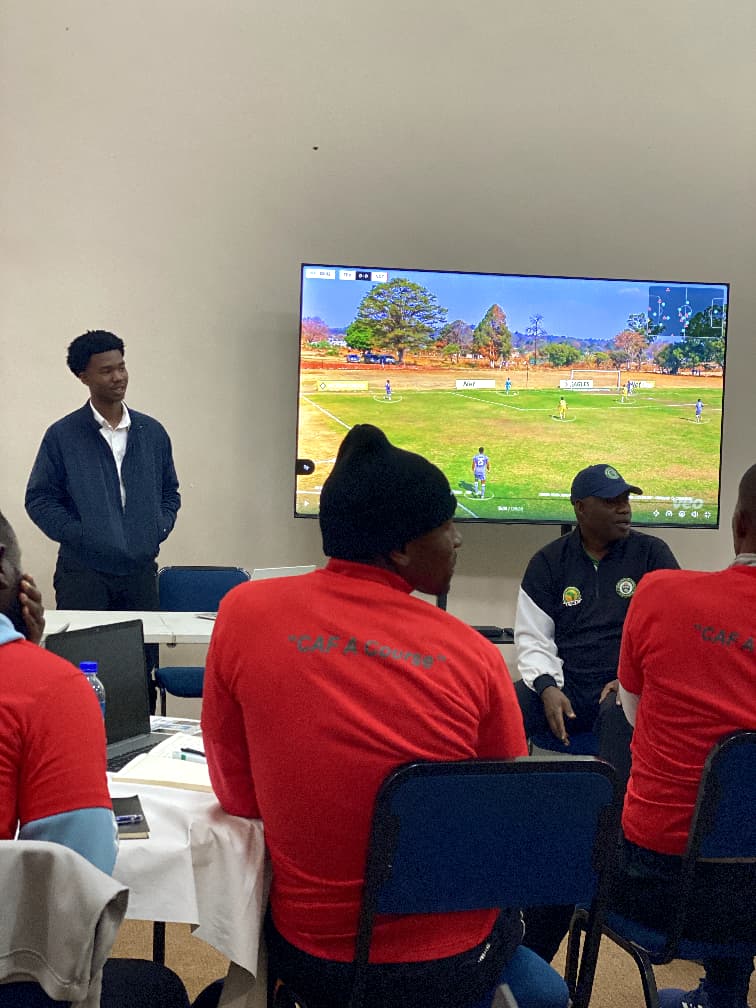
The video analysis component brought attention to a tool that increasingly supports preparation and performance review. An invited specialist took participants through the role of video analysis in assisting coaches, highlighting its relevance to the work they undertake before, during and after competition.
Video can help a coach revisit moments that are difficult to assess fully in real time. It can also provide a shared reference when explaining an individual action or a team’s behaviour. Its usefulness, however, depends on how clearly the information is interpreted and communicated to players.
Niyonzima said coaches should remain open to methods that help them make better decisions.
“Video analysis can help coaches see more clearly, review their decisions and communicate specific points to players. The important thing is to identify information that is useful and turn it into something the player can understand and act on,” he said.
“We want our coaches to be curious and willing to learn. Football continues to develop, and coach education must encourage that same commitment to improvement throughout a coach’s career.”
The combination of observation and specialist input underlined the importance of continued professional development. Coaches need opportunities to examine established habits, encounter different approaches and assess how new knowledge can improve the experiences of the players in their care.
For ZIFA, that work forms part of strengthening football from the training ground upwards. Better preparation, clearer instruction and more thoughtful evaluation can contribute to player development, while a stronger coaching pool provides a firmer foundation for clubs and national teams.
With the second module completed, participants move forward with further practical reference points for their coaching journeys. The next responsibility is to turn those experiences into purposeful daily work: planning sessions carefully, communicating clearly and assessing whether players are progressing. The lasting value of the course will be found in that consistent application, as the lessons gathered from the classroom, club football, the national team environment and video analysis begin to shape the quality of coaching delivered across Zimbabwe.
More News

Zimbabwe Football is Moving Again
Mon 5 Oct 2026
A football nation is not rebuilt by one result. It is rebuilt by what happens around the result: how teams respond, how systems improve, how lessons are absorbed and whether there is enough conviction to keep moving forward. That is why the Warriors’ 2-1 defeat to the Democratic Republic of Congo, disappointing as it was, […]

Zimbabwe Football Association 2026 © All Rights Reserved