
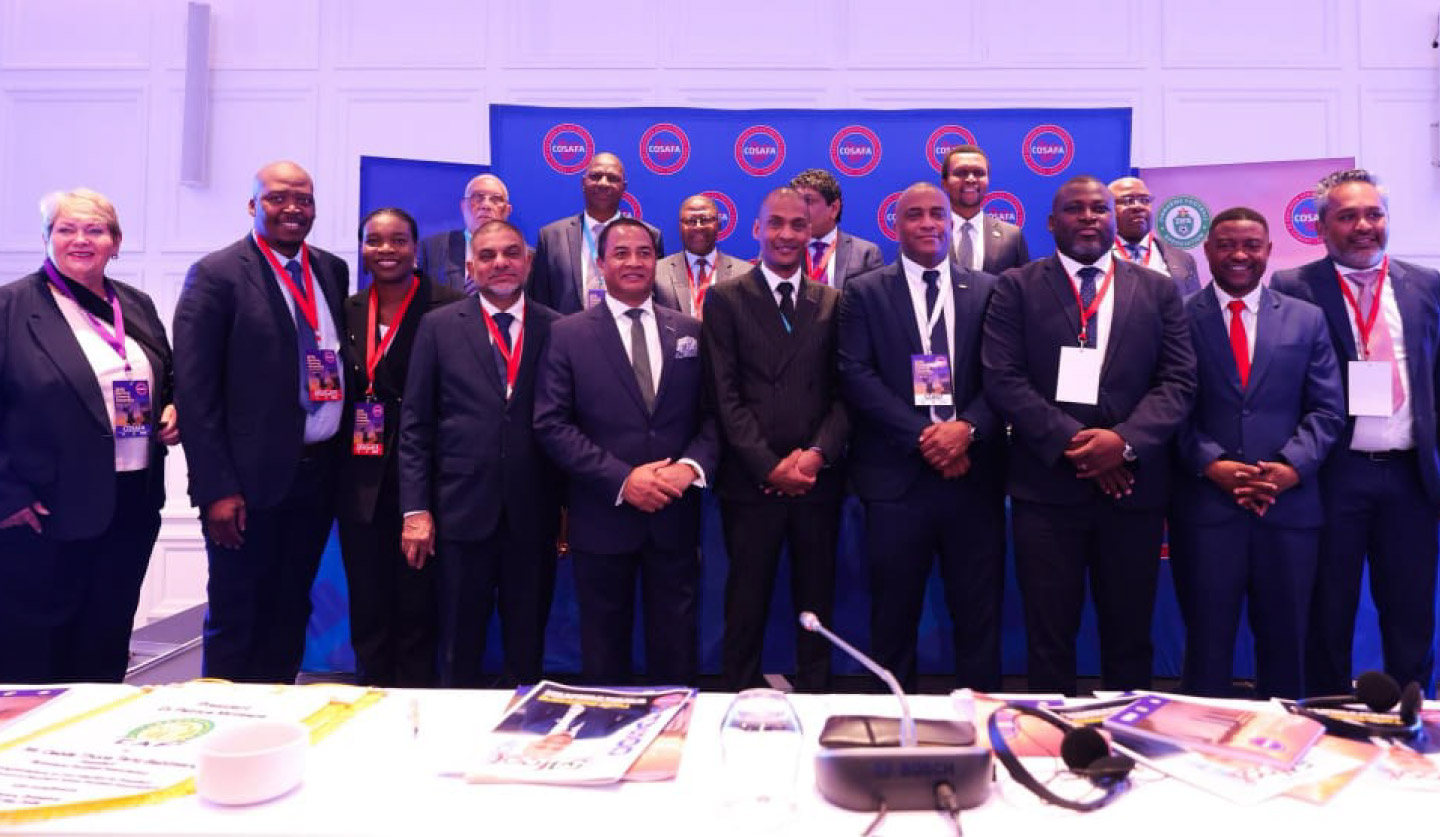
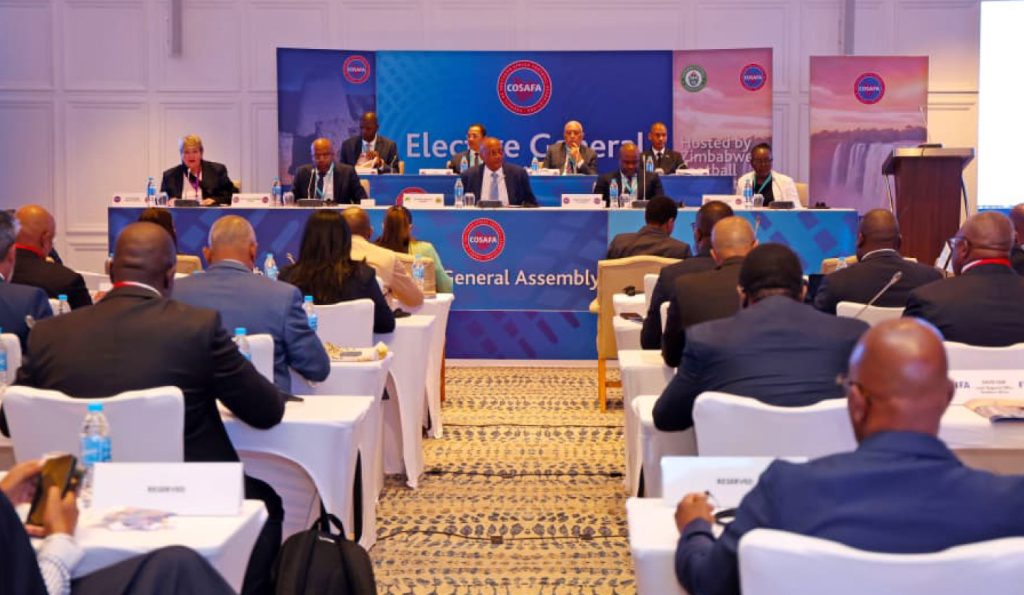
This week, Harare became more than Zimbabwe’s capital. It became a meeting place for Southern African football, as administrators, delegates and guests from across the region and beyond gathered for the Council of Southern Africa Football Associations Congress and its related engagements. For several days, the city carried the rhythm of the game. Hotels, meeting rooms and conference spaces became lively centres of conversation, where different languages, cultures and experiences found common ground in one shared passion: football.
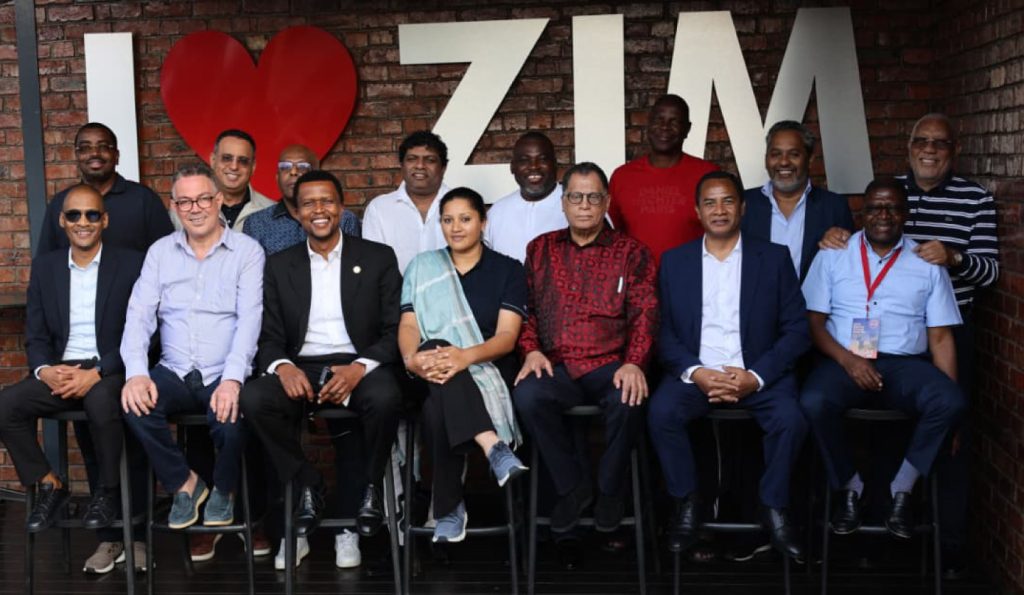
As often happens whenever football people gather, some of the most memorable moments took place away from formal boardrooms and official agendas. One of the lighter stories came during a social engagement at the popular Three Monkeys Restaurant. Some visiting guests, unfamiliar with the local establishment, jokingly wondered whether the restaurant actually served monkeys. The misunderstanding drew laughter from delegates and quickly became one of those warm, human moments that remind us how football builds friendships and shared memories far beyond competition itself.
But behind the humour, hospitality and easy conversation were serious discussions about the future of the game. COSAFA gatherings are not merely ceremonial events where football officials meet, exchange greetings and move on. They are important governance platforms. They help shape the direction of football in the region and allow member associations to reflect honestly on the systems, standards and safeguards needed to protect the sport.
Football today is no longer only about the ninety minutes played on the pitch. It is also about structures, systems, accountability and ethical standards. It is about ensuring that the game remains credible, competitive and worthy of public belief. At the heart of all this lies one simple but powerful principle: trust. There is a phrase often repeated in football circles: “The game belongs to the fans.” It is a simple statement, but it carries a deep responsibility. Football survives not only because matches are played every weekend, but because millions of people continue to believe that what they are watching is honest competition. The moment supporters begin to doubt whether results are earned fairly on the pitch, the foundation on which the game stands begins to weaken.
That is why integrity can never be treated as a side issue in football administration. It is central to the survival, credibility and growth of the game. The governance conversations held during COSAFA week offered an important reminder that football administration is, at its core, about safeguarding the game itself. Strong constitutions, transparent electoral processes and effective oversight structures all serve one purpose: to protect football from risks that can damage public confidence. Ethics sits firmly at the centre of that protection.
In many ways, the continued confidence shown by COSAFA and broader continental football leadership in Zimbabwe as a host of major regional football engagements reflects a growing belief in the direction of the country’s football governance. It points to recognition that Zimbabwean football, through the reforms being driven by ZIFA, is taking deliberate steps to ensure that the game remains fair, clean, credible and commercially sustainable for all stakeholders.
In recent weeks, ZIFA has noted with concern an increase in allegations, reports and discussions relating to unethical conduct within football environments. These concerns include alleged attempts to improperly influence match officials, conversations around financial incentives linked to match outcomes, and other conduct that has the potential to undermine confidence in competitions.
Whether proven or unproven, such allegations have consequences that go far beyond individual matches. They affect public trust. They damage the image of clubs and leagues. They place players and officials under suspicion. They also weaken Zimbabwean football’s reputation, both regionally and internationally.
For that reason, ZIFA this week issued formal guidance to all football stakeholders on ethical conduct, integrity risks and the management of ethical violations within the game. The memorandum is addressed not only to clubs and officials, but to the broader football family, including supporters, administrators, players and external actors who interact with the sport. At its core, the message is clear: Football must always be decided on sporting merit.
The principles that underpin football governance across the world remain universal: integrity, fair play, transparency, accountability and respect for competition. These are not abstract governance terms meant only for boardrooms and policy documents. They are practical standards that determine whether football remains credible in the eyes of the public.
One of the major concerns highlighted in the guidance relates to attempts to improperly influence match officials. Football regulations at ZIFA, FIFA and CAF level are clear on this matter. Any attempt to offer gifts, money, favours or inducements to referees or match officials is a serious ethical violation and may attract severe disciplinary consequences.
Modern football governance also recognises that corruption risks are not always direct or obvious. Sometimes, conduct that appears harmless on the surface can create serious integrity concerns. This includes the increasingly common practice where third parties attempt to financially motivate teams to beat rivals in league races or relegation battles. Some may choose to view such actions simply as “motivation”, but football ethics frameworks recognise the wider danger. Once external actors begin influencing competitive environments through financial incentives, the line between motivation and manipulation becomes dangerously blurred. Football works best when every team competes for its own sporting objectives, not because outside interests are quietly shaping outcomes behind the scenes.
Supporters also have an important role to play in protecting the integrity of the game. Passion has always been one of football’s greatest strengths. Zimbabwean football lives and breathes because supporters invest emotionally, financially and culturally in their clubs. But passion must always remain within ethical boundaries. Attempts to influence players, coaches or officials through gifts, promises or improper engagement ultimately harm the very clubs supporters want to defend. Clubs, in turn, have a responsibility to educate their supporters on ethical conduct while strengthening their own internal governance and integrity systems.
What is increasingly clear in modern football is that integrity failures are no longer treated as isolated disciplinary matters. They carry serious sporting, reputational, regulatory and, in some cases, criminal consequences. Across the world, football governing bodies have significantly strengthened integrity enforcement structures over the past decade. Match manipulation, corruption and ethical misconduct are now treated as major threats to the sustainability of the sport itself. Zimbabwe cannot afford to stand apart from these global governance standards.
Encouragingly, ZIFA’s ongoing governance reforms continue to place greater emphasis on integrity education and preventative systems. As part of this commitment, the Association will soon engage a FIFA Ethics and Integrity expert to conduct comprehensive education and awareness sessions for football stakeholders. The sessions are expected to cover football ethics and integrity standards, match manipulation risks, bribery and corruption, reporting obligations, governance responsibilities, investigation processes, and the consequences and sanctions linked to ethical violations.
Just as importantly, the programme will provide practical guidance on identifying ethical red flags, managing integrity risks and protecting clubs, officials and players from exposure to unethical conduct. This reflects an important shift in football governance around the world. Protecting integrity is no longer only about punishment after violations have occurred. Increasingly, it depends on education, awareness, prevention and the creation of a strong institutional culture.
Ultimately, protecting football integrity is not the responsibility of one institution alone. It requires a collective commitment from administrators, clubs, players, supporters, referees and all stakeholders connected to the game. Because in the end, football’s greatest asset is not sponsorship, broadcasting, infrastructure or commercial value. It is trust.
The greatest threat to football, especially at a time when Zimbabwe is seeing supporters return to stadiums in encouraging numbers, is not a poor result or a missed opportunity. It is the suspicion that what they are watching is a “delayed match”; a contest whose ending was written before the first whistle. Once that belief takes root, the damage is deep. Trust is far harder to rebuild than any team, any league or any institution. It cannot be restored by statements alone. It must be protected through action, consistency and courage.
That is perhaps the most important lesson from the COSAFA conversations in Harare. Good governance does not live only in constitutions, congress halls or formal resolutions. It lives in the everyday decisions that protect the game from compromise. The responsibility now belongs to all of us: administrators, clubs, players, coaches, referees, supporters and every stakeholder who claims to love football. If the game belongs to the fans, then its integrity must be defended by everyone. Football must remain honest. Football must remain fair. Football must remain worthy of the trust people place in it.
Nqobile Magwizi
President, Zimbabwe Football Association
More News

THE ROAD TO GLORY: MUNHUMUTAPA CUP DRAW SERVES UP OCTOBER THRILLERS
Thu 10 Sep 2026
The opponents are confirmed, the pathways mapped out and the dream of lifting the ZIFA Munhumutapa Challenge Cup has moved a little closer. Yesterday’s quarter-final and semi-final draw in Harare delivered an exciting spread of fixtures, setting up a compelling next chapter across the men’s, women’s and futsal competitions. ZIFA President Nqobile Magwizi and General […]

Zimbabwe Football Association 2026 © All Rights Reserved