
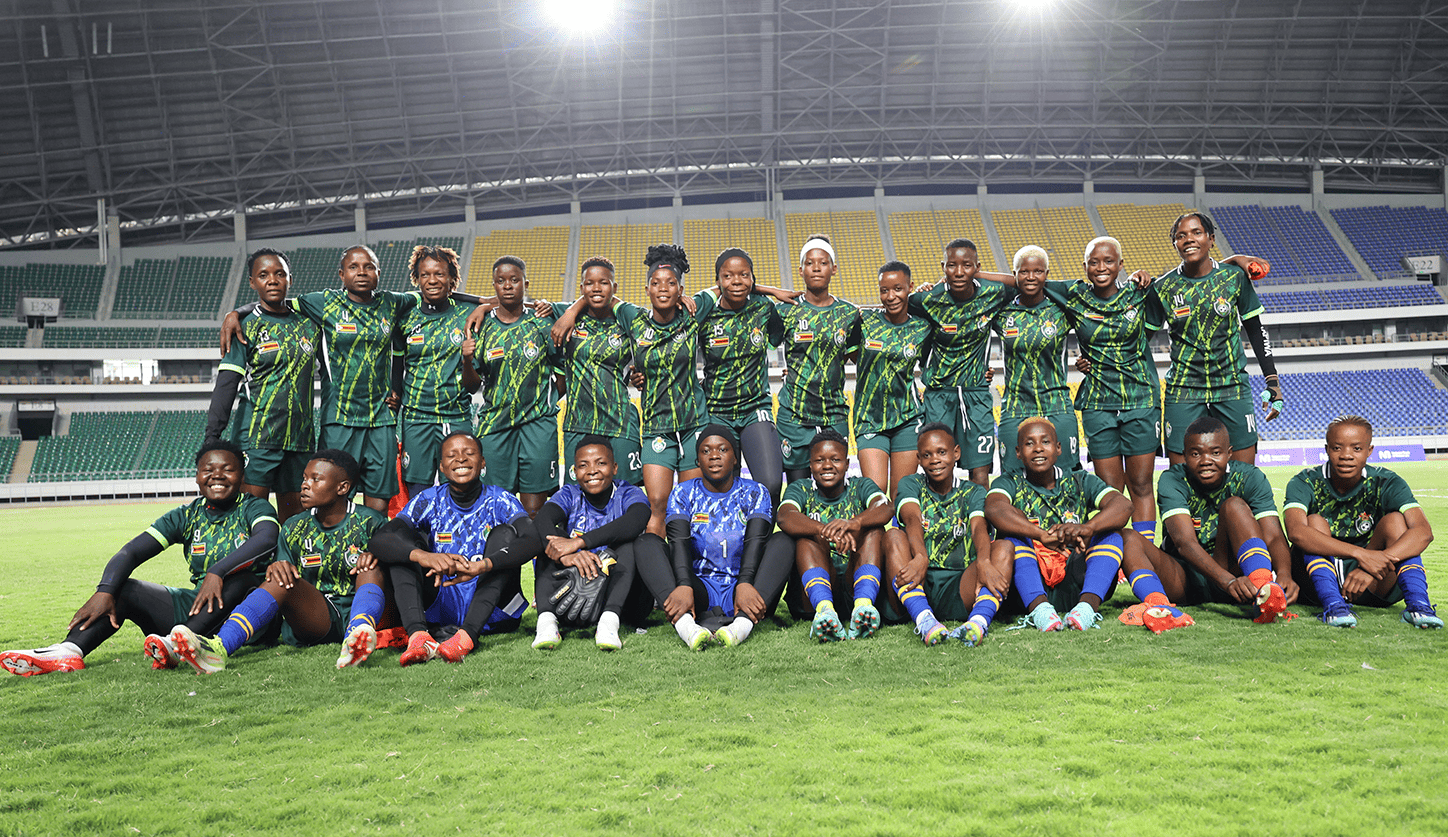
There are moments in a nation’s sporting journey that redefine belief. For Zimbabwe, women’s football has provided several of them.
When the game surged into the national spotlight in the early 2000s, it did more than introduce a new competition category – it ignited conviction. That conviction reached its peak when the Mighty Warriors qualified for the Rio 2016 Olympic Games and secured back-to-back appearances at the Women’s Africa Cup of Nations. The domestic league attracted sponsorship. Schools embraced girls’ football in unprecedented numbers. Those milestones were more than results; they were declarations that Zimbabwean women belonged on the biggest stages in world football. But football is unforgiving when structures weaken.
After those historic achievements, the game entered a difficult cycle. Systems became inconsistent. Competitions lost rhythm. Development pathways blurred. Momentum slowed. A period that should have been marked by consolidation instead became one of regression.
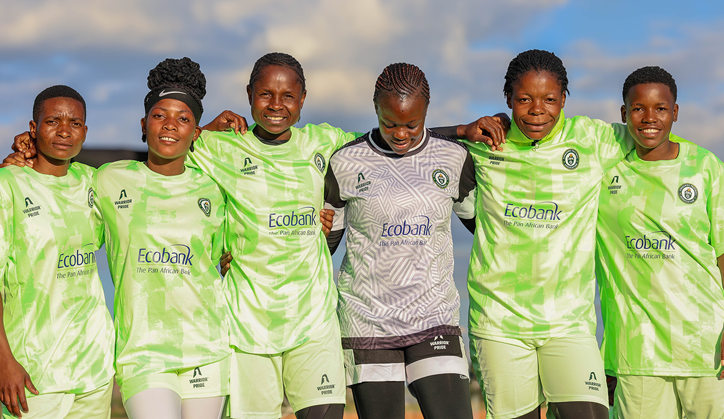
When this Executive Committee assumed office, we made a deliberate decision: the decline would not continue. Women’s football would not be treated as a seasonal priority or a symbolic programme. It would be rebuilt with the same seriousness, structure and long-term ambition as the broader football ecosystem. To do otherwise would have dishonoured the legacy of the women and men who invested time, resources and credibility to secure national acceptance for the women’s game. It would have diminished the sacrifice of the players who transformed public attitudes from ridicule to respect — and ultimately to passionate support. Allowing that work to unravel was never an option.
The past year reflects a shift from rhetoric to reform.
The first phase was stabilisation. In February 2025, as the Mighty Warriors prepared for their first match under the new Executive Committee, we reconfigured remuneration structures. This was about restoring dignity, predictability and professionalism to national team engagements. At the same time, we reinstated CAF coaching education programmes, strengthening technical capacity and expanding the pipeline of qualified coaches serving the women’s game.
By mid-year, attention turned to structure. In July, nationwide consultations began for the Women’s Football Strategy, ensuring that the future of the game would be shaped by stakeholders across the country. During the same period, the Zimbabwe Women’s Premier Soccer League conducted its elections, reinforcing governance and accountability within the top tier of the domestic women’s competition.
August focused on systems integrity. Strengthening data management, player registration and human capital systems does not attract headlines, but it is fundamental to credible development. Without reliable tracking and sound governance frameworks, talent pathways cannot function effectively. These reforms were implemented quietly, but deliberately.
September and October marked expansion. Zimbabwe hosted CAF and COSAFA youth competitions, creating exposure opportunities for young female players while strengthening national competition infrastructure. Women also participated in volunteering and media development programmes, broadening involvement beyond the pitch. At grassroots level, activation of school football under the Memorandum of Understanding with the Ministry of Primary and Secondary Education significantly increased girls’ participation and reinforced the school-to-elite pathway.
November brought both reflection and forward planning. The Women’s Football Strategy (2026–2030) was officially launched, institutionalising long-term planning and anchoring development in policy rather than personality. In the same month, the Mighty Warriors competed in a Three Nations Tournament in Malawi, recording one victory and a narrow defeat. While results matter, the greater significance lay in the return to structured international competition. Exposure builds resilience. Competition restores belief. The Mighty Warriors are gaining in both respects.
The year concluded with Zimbabwe hosting the CAF/COSAFA Girls Integrated Football Tournament (GIFT) and participating in CAF Schools competitions in Stellenbosch, South Africa. These engagements further embedded Zimbabwe within continental development platforms and positioned the country as an active regional contributor to the women’s game.
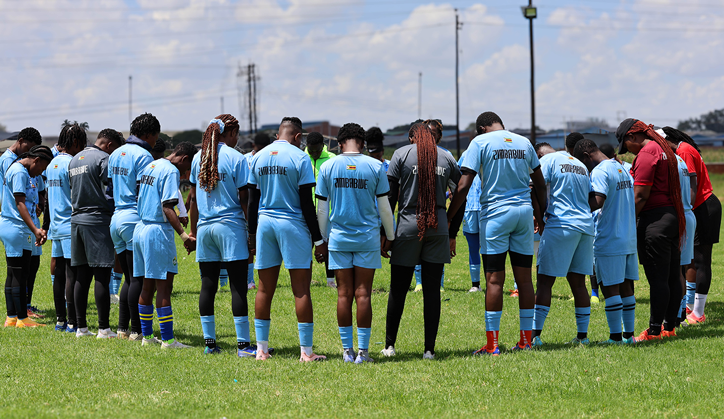
As the Mighty Warriors now prepare for the upcoming COSAFA Women’s Championship in South Africa, the focus shifts from reform to competitive expression. The team has been in camp, preparing deliberately and methodically. Preparation is no longer rushed or improvised. It is structured and intentional. Our commitment is clear: to ensure players are comfortable, professionally supported and equipped with the full technical backing required to perform at their highest level. That means proper camp conditions, efficient logistics and a technical team empowered to prepare the squad comprehensively. Performance on the pitch begins with stability off it, and we are determined to provide an environment in which the Mighty Warriors can compete with confidence and dignity.
COSAFA, however, is not an isolated target. It is one chapter in a longer journey.
The return of the Mighty Warriors to the summit of African football will not be achieved through a single tournament. It will be built through consistency – in governance, in preparation, in grassroots development and in long-term planning. The pride of Rio must not remain a distant memory; it must serve as a benchmark. The next generation of Mighty Warriors must emerge through organised pathways and sustained investment, not isolated moments of brilliance.
The foundation is being rebuilt. The systems are being strengthened. Belief is returning. And when systems are right, performance follows.
More News
PUBLIC NOTICE – CORRECTION OF PUBLISHED CANDIDATE LISTS
Fri 13 Feb 2026
The ZIFA Electoral Committee wishes to advise all football stakeholders, clubs, member associations, the media, and the general public of one important correction to the candidate list that was previously published as part of the ZIFA Members’ Elections process.

Zimbabwe Football Association 2026 © All Rights Reserved