
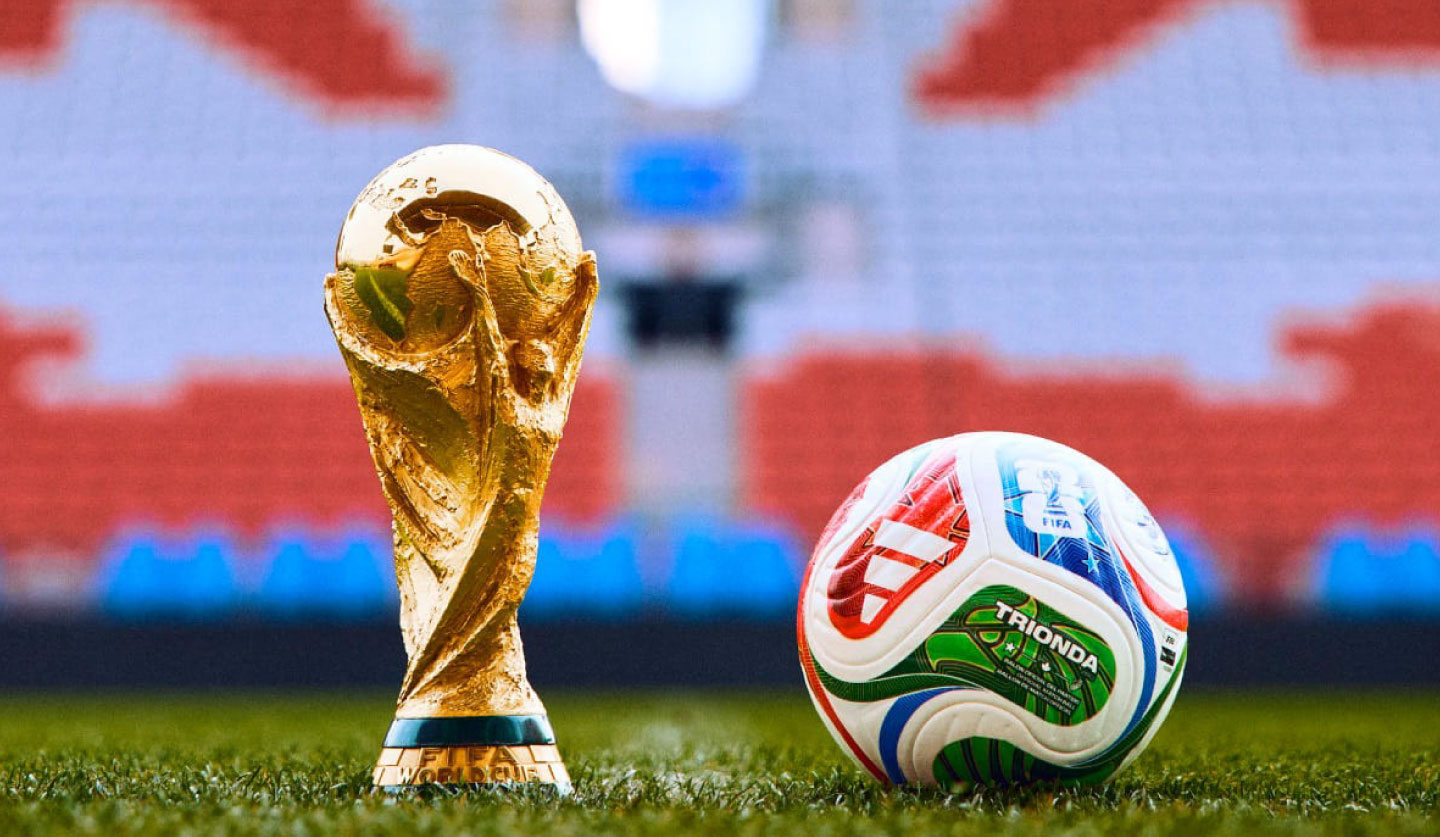
Every FIFA World Cup carries its own magic. It is the one stage where football becomes more than a game. It becomes a shared global language. As the tournament unfolds across Mexico, the United States and Canada, billions of people are once again being drawn into the emotion, drama and beauty of the sport. Nations pause. Supporters dream. New heroes are born. History is written in moments that can change careers, communities and countries forever.
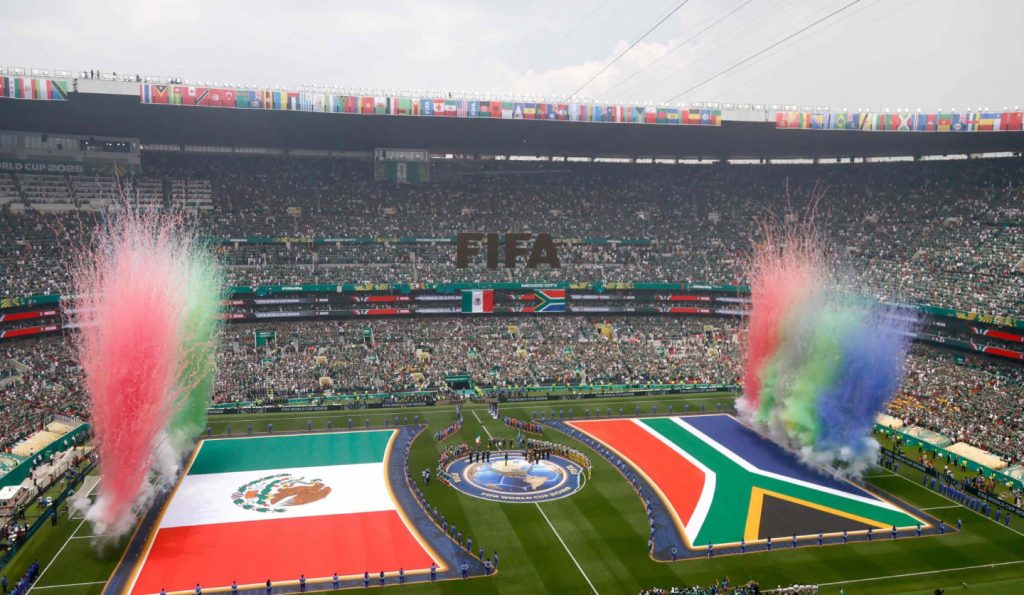
For Zimbabwe, the World Cup must be more than a spectacle we admire from a distance. It must be a reminder of what is possible when a nation dares to plan, invest and build with purpose. This week, I had the privilege of attending the opening match in Mexico, and I will also be observing matches in the United States as the tournament progresses. To be present at the World Cup is to feel the full force of football’s power, but it is also to see, very clearly, the work behind the glamour. Beyond the noise, the colour and the celebration, there are systems, structures and years of preparation that make participation at this level possible.
There are few better classrooms than the World Cup itself. Supporters watch the football. Administrators, by instinct, look beyond the pitch. You study the infrastructure. You observe the organisation. You look closely at how talent is developed, how supporters are engaged, how commercial partnerships are activated and how entire football ecosystems are built to keep producing success over many years. The clearest lesson is that no country arrives at a FIFA World Cup by chance.
Behind every successful national team, there is investment. There is planning. There is patience. There is a long-term commitment to development. For Zimbabwe, as we continue the work of rebuilding our football, that lesson carries real importance. The expanded FIFA World Cup format has opened greater opportunities for African nations than ever before. For countries with ambition, vision and discipline, qualification is no longer a distant idea. It is more realistic today than at any other point in football history. The question, therefore, is not whether Zimbabwe can dream of the World Cup. The real question is whether we are prepared to build towards it.
One country that continues to inspire many football administrators is Morocco. Their historic run to the semi-finals of the 2022 FIFA World Cup captured global attention, but it was not the product of one golden generation or one lucky tournament. It was the result of years of deliberate investment in infrastructure, youth development, coaching education and talent identification. Morocco understood that sustainable success begins long before a player wears the national team jersey.
The same lesson can be seen elsewhere. Senegal’s rise has been built on continuity, strong governance and clear pathways from youth football to the senior national team. France has shown the value of investing in coaches and development centres. Germany demonstrated how a nation can reinvent itself through structural reform, honest reflection and a firm commitment to long-term planning.
Different countries. Different realities. But the principles are strikingly similar. Successful football nations invest in young players. They develop coaches. They strengthen infrastructure. They create systems that outlive individuals. Most importantly, they understand that success at senior level begins years before a World Cup qualification campaign even starts.
When we assumed office, we made a commitment to create more opportunities for players, coaches and national teams. We also recognised a simple truth: talent alone is not enough. Talent must be identified, nurtured and exposed to competitive environments if it is to reach its full potential. For that reason, qualification for the 2030 FIFA World Cup should not be treated as an impossible dream. It should be seen as a national objective, one that demands commitment from every stakeholder in the game. Qualification is in our hands, but only if we become collectively and consciously serious about what it takes to get there. Several priorities must guide the work ahead.
First, we must strengthen the technical programme. Our national team structures, from junior teams through to the senior Warriors, must be properly aligned, with a clear football identity guiding how we develop players, select teams and compete internationally. This must be supported by a strong nationwide scouting and talent identification network, where every province contributes to a central database of emerging talent and modern scouting tools, video analysis and performance tracking become part of our normal football culture.
Second, we must invest meaningfully in youth football. Strong Under-15, Under-17, Under-20 and Under-23 programmes will provide the player pipeline Zimbabwe needs for future success. At the same time, we must continue improving coach development by delivering more CAF and FIFA coaching courses regularly, ensuring that the country builds a wider and stronger pool of qualified coaches across all levels of the game.

Third, we must mobilise the resources required to support this vision. A World Cup qualification campaign is not built on hope alone; it demands serious investment. Government, corporate partners, football stakeholders and supporters must work together to provide sustainable funding for development programmes. We must also protect and maintain our football infrastructure. The reopening of the National Sports Stadium is an important milestone for Zimbabwean football, and we commend His Excellency President Emmerson Dambudzo Mnangagwa, the Minister of Sport, Recreation, Arts and Culture, Lt. Gen. (Rtd) Ambassador Anselem Sanyatwe, Permanent Secretary Mr Nicholas Moyo, and all stakeholders who contributed to restoring this national asset. Infrastructure remains one of the foundations on which football growth must stand.
As I watch the world’s best teams compete in North America, I am reminded that every nation represented here once began with a dream. Their presence on this stage is the result of decisions made years earlier, investments sustained over time and systems built with purpose. Zimbabwe’s ambition should not simply be to watch the World Cup. Our ambition must be to participate.
Qualification for the 2030 FIFA World Cup is achievable if we remain united, disciplined and committed to long-term development. It will require hard work, honest planning and a shared belief that Zimbabwean football can rise again. The World Cup should inspire us not only to admire excellence, but to build it.
From spectators today to competitors tomorrow.
The work continues.
More News
Warriors Begin Preparations in Morocco for Sierra Leone Clash
Tue 22 Sep 2026
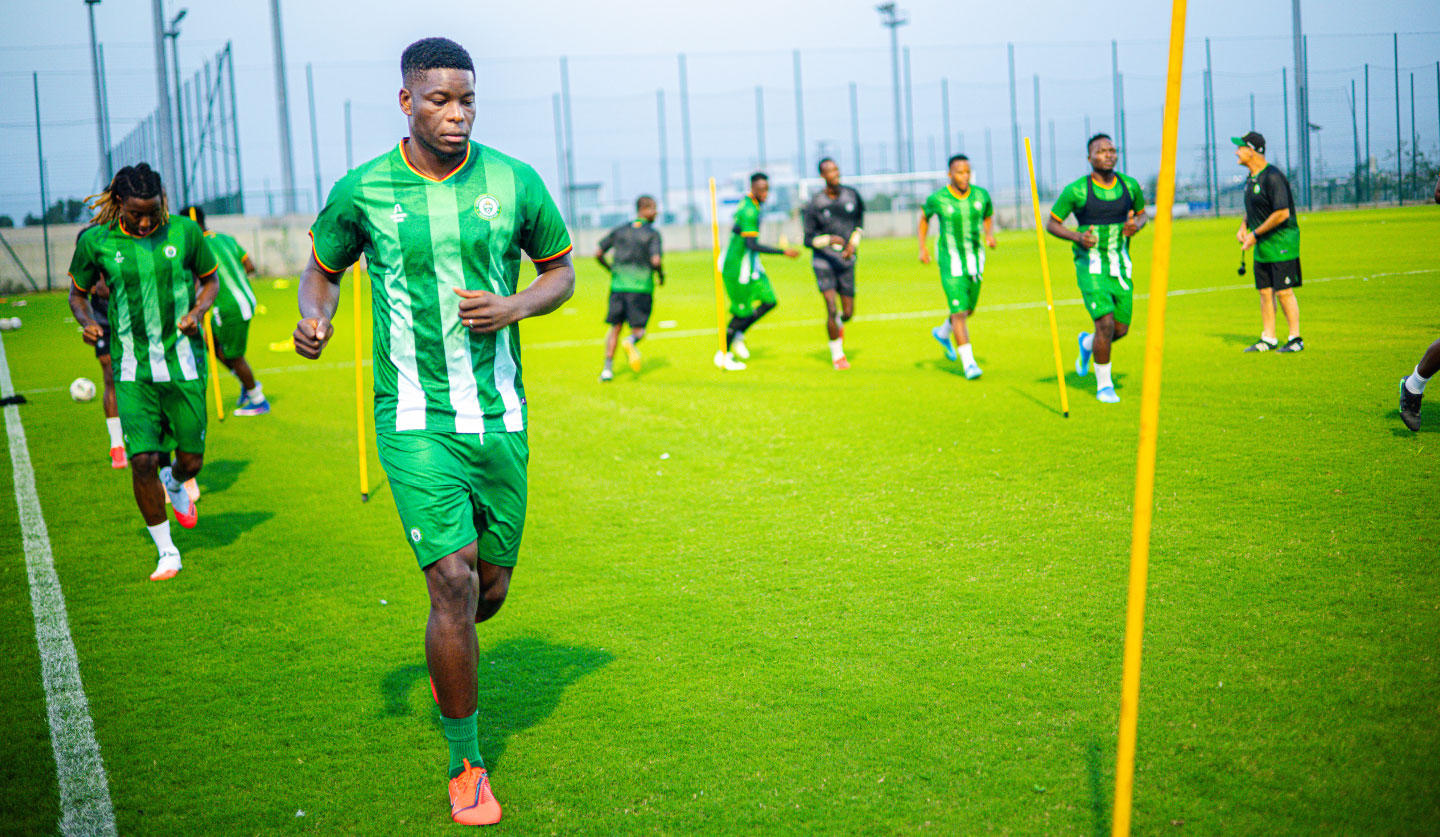
The Warriors have begun their preparations for Thursday’s AFCON 2027 qualifier against Sierra Leone, holding their first training session at Raja Athletic Club, home of Raja Casablanca, as players assemble in Morocco for the opening assignment of their qualifying campaign. With 19 players already in camp and two more expected later today, head coach Ramon […]

Zimbabwe Football Association 2026 © All Rights Reserved