
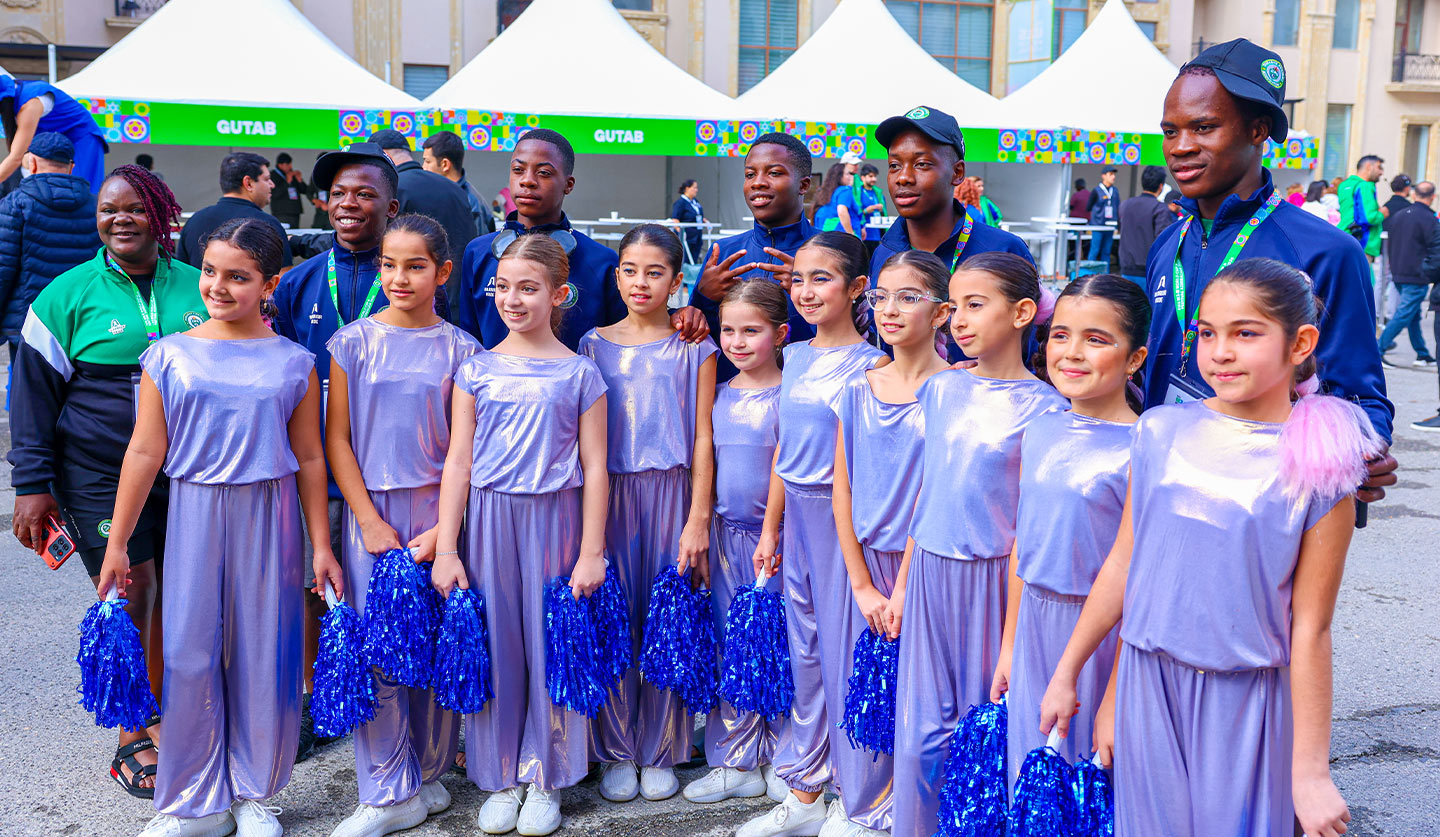
Zimbabwe’s Young Warriors will depart Azerbaijan with an experience that stretches beyond the results: valuable lessons, international exposure and a stronger foundation for their football journeys.
Their participation in the inaugural FIFA U-15 World Cup & Festival 2026 provided an important development opportunity. At an age when technique, confidence and understanding of the game were still taking shape, the tournament gave Zimbabwe’s emerging footballers a chance to test themselves against opposition from across the world.
The scale of the occasion underlined its significance. According to FIFA, 189 teams, representing 90 per cent of its membership, gathered in Baku for the largest event in the organisation’s history. Nearly 4,000 players, coaches and officials were involved, with approximately 950 matches scheduled across six match days at the 20-pitch Hövsan Competition Complex.
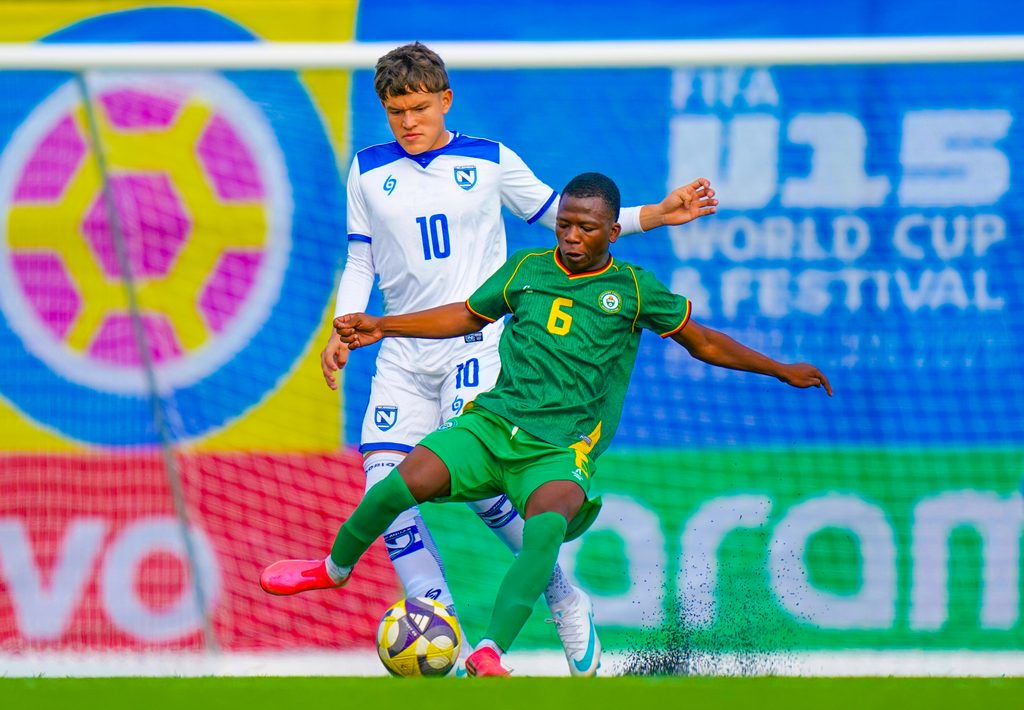
For Zimbabwe, being part of that gathering offered an early introduction to different football cultures, playing styles and competitive demands. Unfamiliar opponents presented fresh challenges and gave the Young Warriors opportunities to adapt, make decisions under pressure and develop their understanding of international football.
The experience also provided Zimbabwe’s coaches with a useful reference point for the work ahead. Such encounters helped place player development in a broader context, offering opportunities to assess strengths and identify areas requiring further attention.
The tournament’s structure supported that learning process. Teams were placed into performance tiers after the group stage, allowing every side to continue competing. Matches lasted 40 minutes and used an eight-a-side format, with kick-ins replacing throw-ins to encourage more touches and decision-making opportunities.
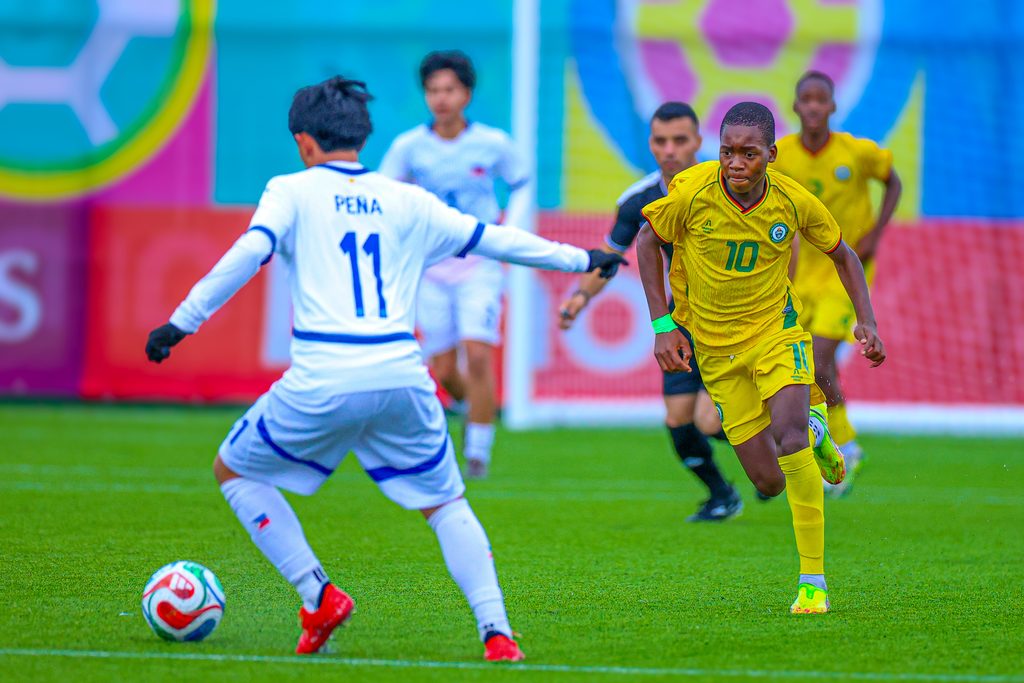
For the Young Warriors, the value lay in those repeated opportunities to play and learn. Each match provided another occasion to apply guidance, respond to setbacks and build confidence. At this stage of development, those experiences formed an important part of the foundation on which future progress could be built.
Zimbabwe’s participation also reinforced the importance of a connected development pathway. The tournament offered exposure, but its lasting value would depend on how the lessons were carried into training sessions, school football, academies and clubs back home.
The next responsibility was therefore clear: nurture the players’ enthusiasm, support their development and ensure that international experience became a starting point for sustained improvement.
Learning opportunities in Baku extended beyond the pitch. FIFA offered educational activities covering internet safety, fair play, safeguarding and player pathways, alongside dedicated study and recreation spaces at the Athletes’ Village.

That broader approach recognised that developing young footballers also involved preparing young people for responsibility. Representing Zimbabwe provided a setting in which teamwork, discipline and respect mattered alongside ability with the ball.
The conclusion of the Young Warriors’ campaign marked the end of their participation in Azerbaijan, but it also opened the next chapter of their development. They had been given an early view of football’s international stage and an opportunity to understand the possibilities ahead.
The task now is to build on that foundation through patient coaching, regular competition and continued investment in youth football. Zimbabwe’s Young Warriors took an important step in Baku. With the right support, the lessons from that journey can help shape a stronger future for the national game.
More News
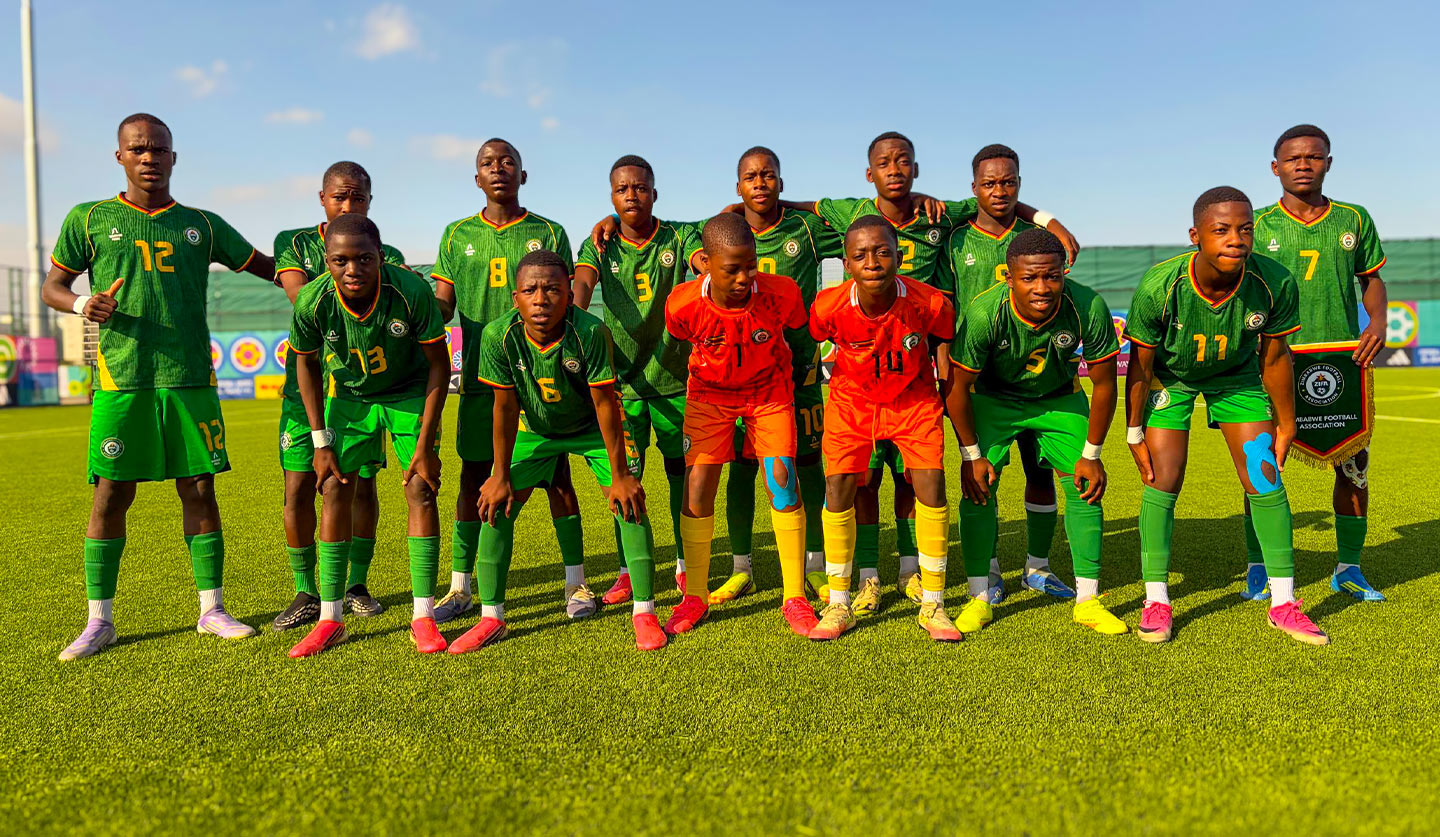
Young Warriors Defy Seeding with 70-Place Leap
Sat 31 Oct 2026
Zimbabwe’s Young Warriors confounded their seeding at the FIFA U-15 World Cup & Festival in Azerbaijan, finishing 107th overall after entering the tournament seeded 177th – an impressive leap of 70 places. The finish placed Zimbabwe ahead of 82 of the 189 participating teams, providing an encouraging platform on which to build the next generation […]

Zimbabwe Football Association 2026 © All Rights Reserved