
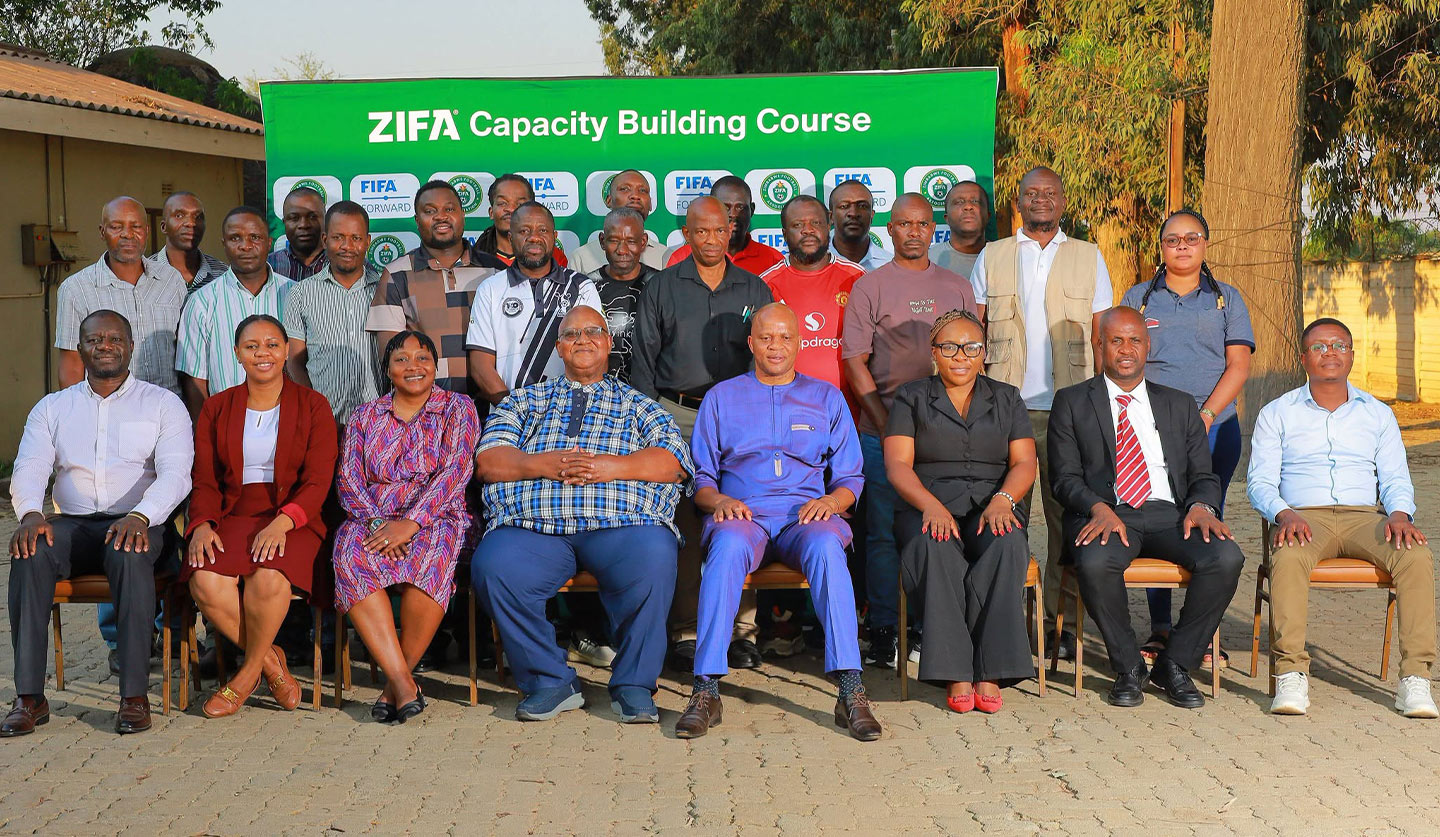
ZIFA’s drive to strengthen football administration continued in the Midlands city of Gweru on Monday, 19 October, with the opening of a five-day Administration and Management Course.
Professor Thomas Marambanyika, ZIFA Executive Committee member and Chairman of the ZIFA Competitions Committee, officiated as Guest of Honour at the opening ceremony. The course runs until Friday, 23 October, under the guidance of facilitator Archford Mamelodi.
Forming part of Phase Three of the National Course Directors Programme, the course focuses on building the knowledge and practical skills needed to manage football organisations effectively. It supports ZIFA’s emphasis on professional administration as a foundation for the development of the game.
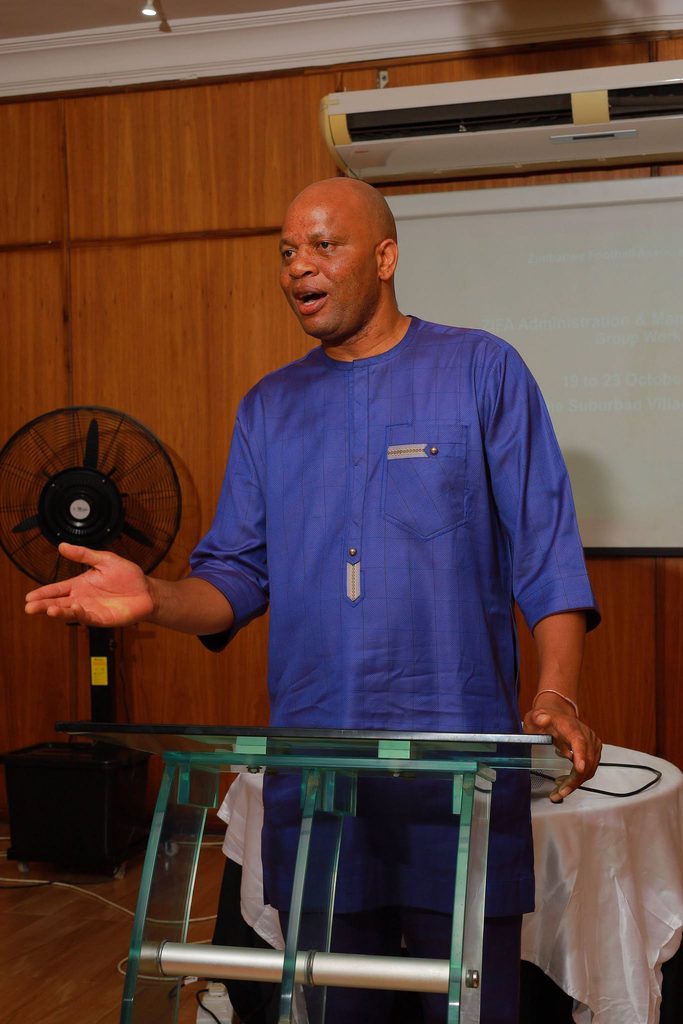
“Sound administration gives our clubs and competitions the support they need. This course is an investment in the people responsible for making football work,” said Professor Marambanyika.
The programme connects that investment to the everyday responsibilities of administrators. Reliable planning, clear decisions and proper financial records help organisations deliver their activities and build confidence among clubs, players, supporters and partners.
Strengthening administrative capacity was among the key priorities identified by the current ZIFA Executive Committee at the beginning of its tenure. The Gweru programme continues that work by giving administrators an opportunity to examine their responsibilities and develop approaches they can use within their organisations.
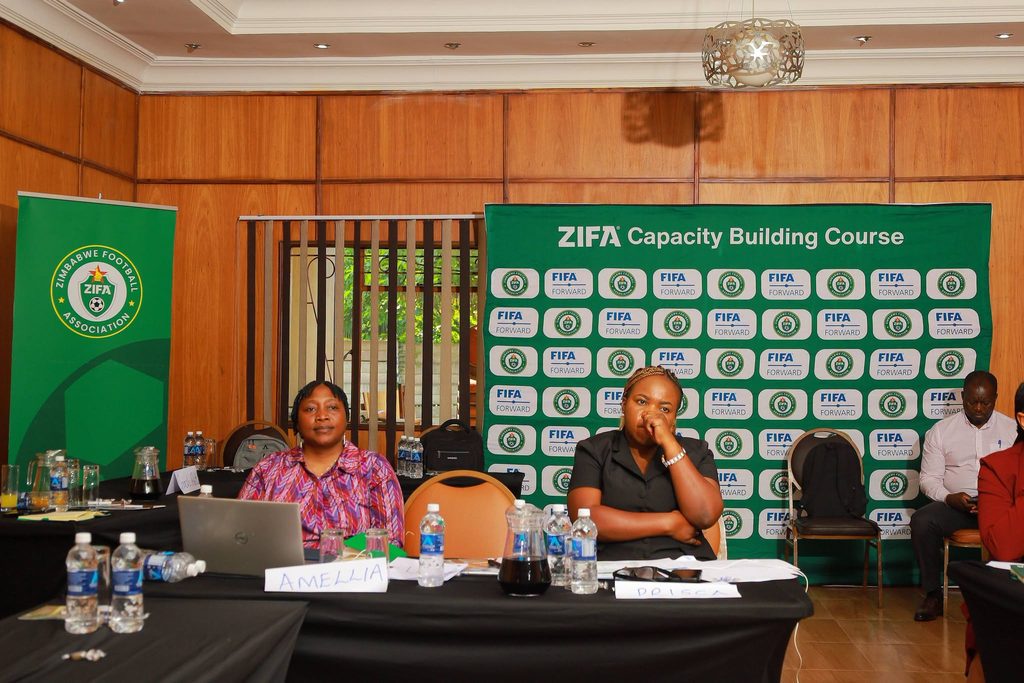
Monday’s agenda covered the structures of COSAFA, CAF and FIFA, alongside general management and leadership. These sessions provided the starting point for a week that brings together governance, organisational responsibilities and the practical demands of running football.
Tuesday focuses on good governance and planning, while Wednesday’s programme examines ZIFA structures, the Technical Department, refereeing and the role of a member association. Communication also features, reflecting the need for clear information and effective cooperation across football.
Thursday turns to finance, club committee roles and responsibilities, and event management. On Friday, participants will explore competitions, club management and fan development before a recap, evaluation and closing ceremony.
Group work and feedback sessions are included throughout the programme, giving participants space to discuss challenges and exchange ideas. This approach is intended to connect the course material with situations they encounter in their daily work.
“We want participants to leave with practical ideas they can use immediately. The real value will come when they apply these lessons in their organisations,” said Mamelodi.
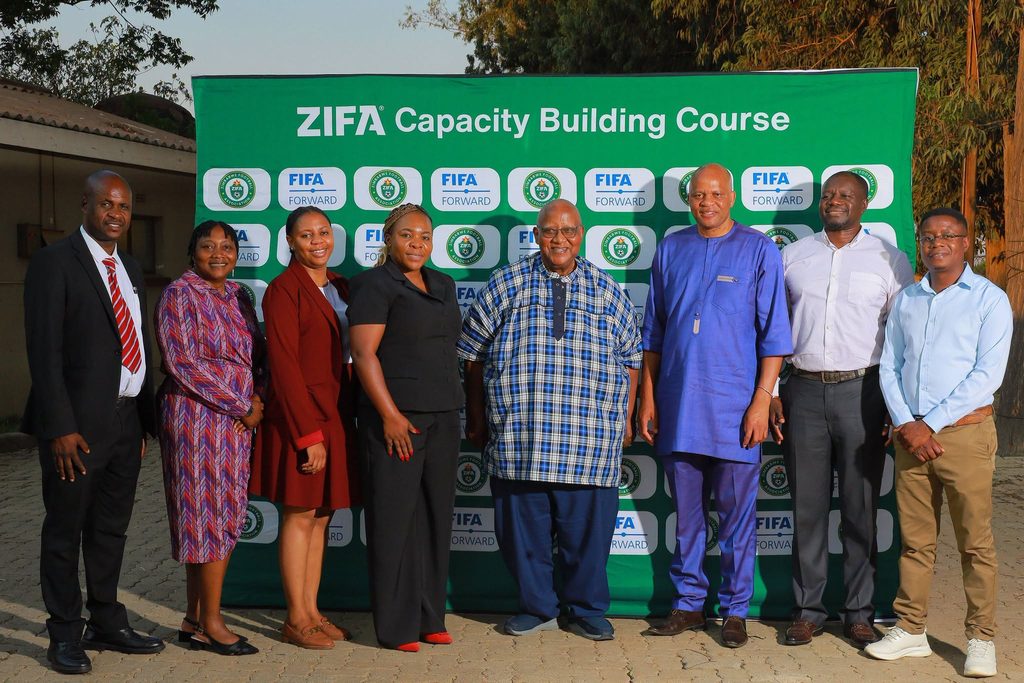
The emphasis on practical learning also creates opportunities for participants to support their colleagues. Sharing knowledge within clubs and leagues can help extend the benefits of the course and encourage more consistent administrative practices.
For football organisations, those improvements can begin with straightforward steps, such as keeping accurate records, preparing realistic budgets and communicating decisions promptly. Over time, these habits can support stronger institutions and better experiences for those involved in the game. Good administration also helps create fair opportunities for women and young players.
The Gweru course places the people who manage football at the centre of that process. As the week progresses, the focus remains on equipping administrators to turn their learning into improvements that strengthen Zimbabwean football.
More News

REQUEST FOR PROPOSALS (RFP)LAND FOR ZIFA HEAD OFFICE, TECHNICAL CENTRE AND REGIONALFACILITIESHARARE, MASVINGO AND GWERU, ZIMBABWE
Sat 17 Oct 2026
The Zimbabwe Football Association (ZIFA) invites written proposals submittedelectronically from suitably qualified and legally authorised landowners, propertydevelopers, real estate companies, institutions, local authorities, trusts and othereligible entities for the provision of suitable land for:

Zimbabwe Football Association 2026 © All Rights Reserved