
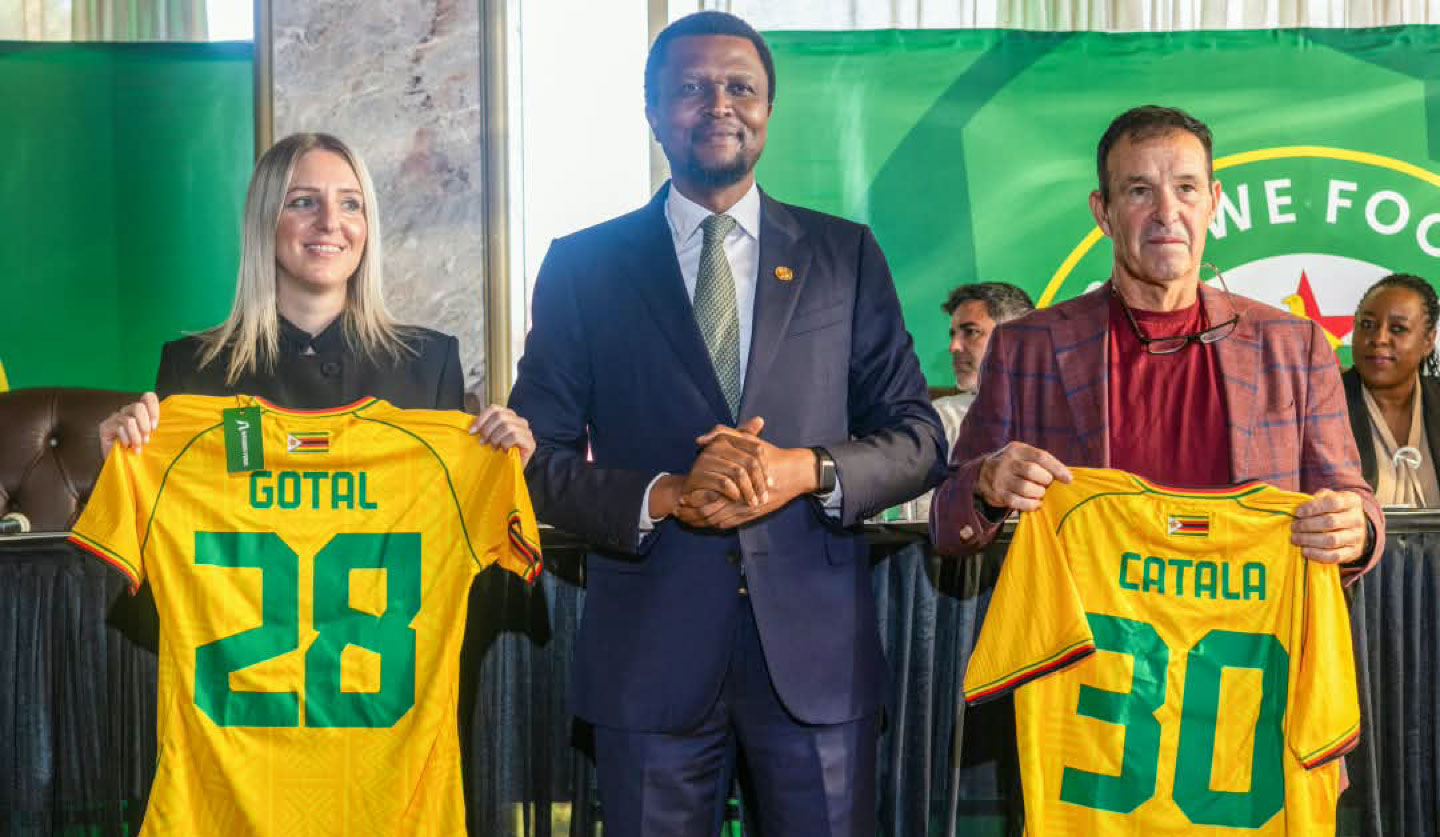
The Zimbabwe Football Association (ZIFA) has taken another significant step in reshaping the future of the country’s football after unveiling a comprehensive national team coaching structure designed to create a clear technical pathway from junior football through to the Warriors and Mighty Warriors.
The coaches were formally introduced in Harare earlier today at an event attended by members of the media, sponsors, football stakeholders and supporters, marking what ZIFA described as more than a series of coaching appointments, but the beginning of a new technical direction for Zimbabwean football.
At the top of the men’s structure, Spanish UEFA Pro Licence holder Ramon Catala takes charge of the Warriors, supported by a technical team that includes fellow Spaniards Marc Sanchez and Vicente Girona Izquierdo, as well as Zimbabwean coach Takesure Chiragwi.
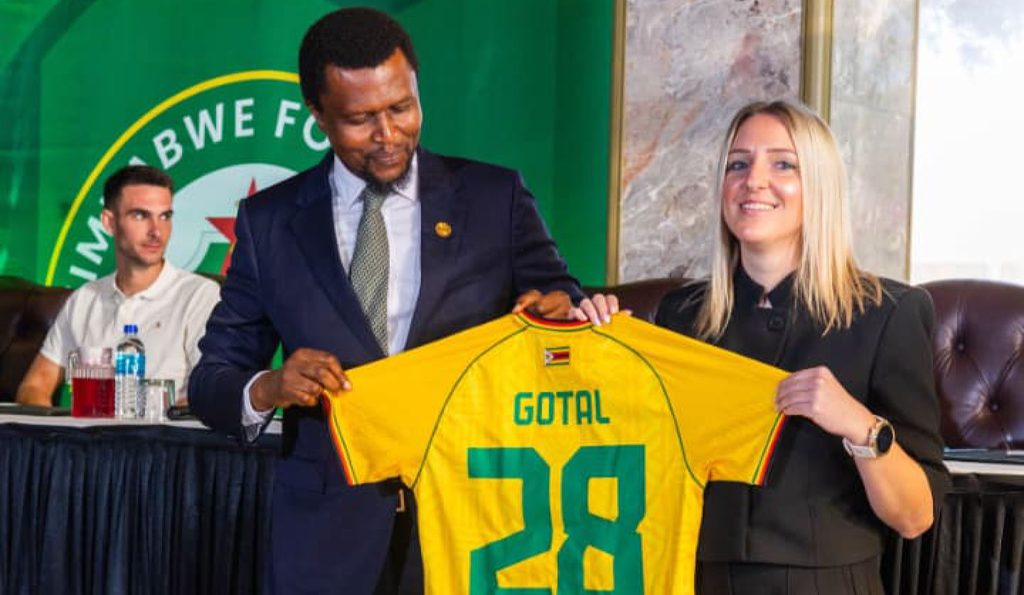
Croatian UEFA Pro Licence holder Stella Gotal has been entrusted with the Mighty Warriors and will be assisted by Arthur Gorejena.
But the announcement extended well beyond the two senior national teams.
Former Warriors coach Kaitano Tembo takes charge of the U20 Boys, assisted by Max Makanza, while Tafadzwa Mashiri and George Mbwando will lead the U17 Boys. Backlyfield Chivenga takes charge of the U15 Boys, with Alexio Sigion as his assistant.
On the women’s development pathway, Zimbabwe football legend Rosemary Mugadza has been appointed U20 Girls Head Coach, assisted by Naison Muchekela. Jaston Maphosa and Thubaelihle Sibanda take responsibility for the U17 Girls, while Irene Mwanza and Jacob Chavungama will oversee the U15 Girls.
The U23 men’s programme will be closely connected to the senior national team structure, with Wilson Mutekede appointed as an assistant, providing an important bridge between youth and senior international football.
ZIFA President Nqobile Magwizi said the scale of the appointments demonstrated that the Association was deliberately moving away from short-term planning towards the construction of a sustainable football system.
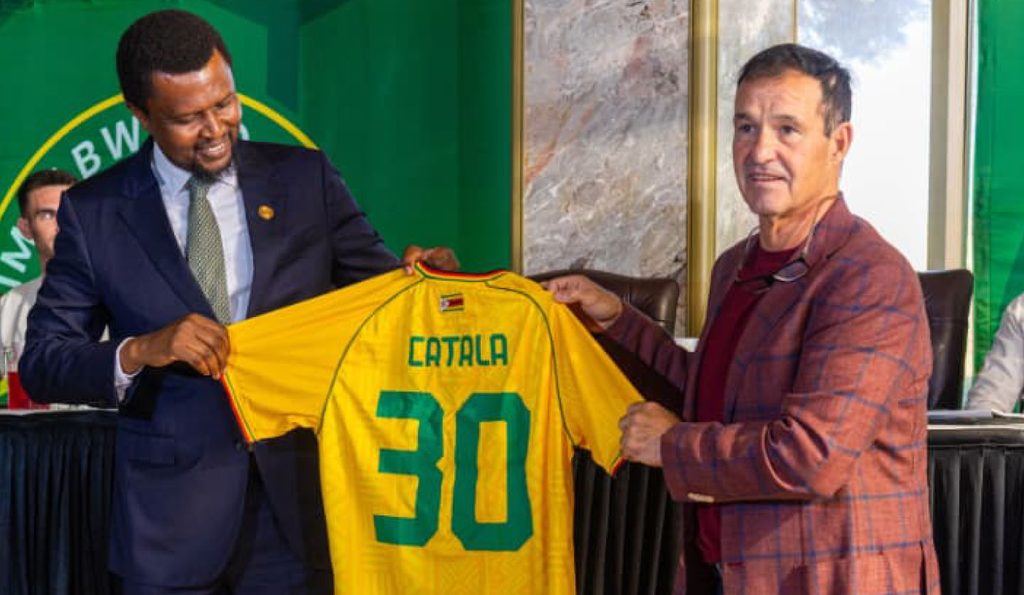
“Today is not simply about announcing coaches. It is about announcing a new technical direction for Zimbabwean football,” Magwizi said.
“For too long, our national teams have largely operated as separate teams, often prepared for individual competitions without sufficient connection between one age group and the next. Under Dream 2030, we want to build one national football development system from Under-15 all the way to the Warriors and Mighty Warriors.
“The message is very simple: Dream 2030 starts at Under-15, not at the senior national team.”
The philosophy represents a fundamental shift towards long-term player development, with ZIFA seeking to establish continuity in talent identification, coaching, playing philosophy and technical preparation across the national teams.
Under the model, the U15 level becomes the entry point for identifying and nurturing promising talent, the U17 structure develops that foundation, the U20 programme prepares players for elite football, and the U23 level provides the critical transition into senior international competition.
ZIFA’s ambition is ultimately to establish a recognisable Zimbabwean football identity rather than having different national teams operating according to unrelated technical philosophies.
Magwizi stressed that bringing international expertise into the senior national teams was part of that process rather than an attempt to replace Zimbabwe’s football identity.
“We are not bringing international coaches simply because they are European,” he said. “We are bringing knowledge, methodology, high-performance standards and experience that must ultimately become Zimbabwean knowledge.
“The objective is not to turn Zimbabwe into Spain or Croatia. We want to take the natural technique, flair, speed and creativity that Zimbabwean football has always possessed and combine those qualities with world-class methodology. Out of that, we want to build our own Zimbabwean way of playing.”
Catala arrives with more than three decades of coaching and football development experience across Europe, Africa, Asia and the Middle East. His career includes assignments with clubs such as Celta Vigo, Osasuna, Espanyol, Real Zaragoza and Dynamo Kyiv, while internationally he has previously served as Head Coach of Nicaragua and worked in various technical capacities with Libya.
The new Warriors coach said he was excited by a mandate that extends beyond immediate results.
“There is talent in Zimbabwe and there is a great passion for football,” Catala said. “Our responsibility is to organise that talent, develop a clear way of working and create a team that Zimbabweans can identify with and be proud of.
“I understand that this project is bigger than one match or one competition. We want to build something with continuity, work closely with the other coaches in the national structure and help players understand what is required at international level.”
For the Mighty Warriors, Gotal’s appointment adds significant women’s football development experience to the new structure. The Croatian has worked across different age groups within her country’s national-team system and has also held roles within Saudi Arabian women’s football and with the Gibraltar Senior Women’s National Team.
Gotal said developing a strong pipeline of players would be central to building a consistently competitive Mighty Warriors side.
“I am very happy to become part of Zimbabwean football and excited by the potential that exists here,” she said. “For the senior national team to become stronger, we must also look at what is happening below it.
“We need young girls to see a clear pathway from youth football to the Mighty Warriors. We want to develop players, create a strong team culture and build a national team that competes with confidence and ambition.”
That commitment to parallel development is central to Dream 2030, with ZIFA seeking to provide boys and girls with visible and structured routes towards senior international football.
The coaching appointments will also connect with ZIFA’s wider talent-identification programmes, including the BancABC Roots Impact Programme and the Munhumutapa Challenge Cup, providing coaches with a broader platform from which to identify and monitor players from across Zimbabwe.
The longer-term ambition is to build a national talent database encompassing schools, academies, domestic competitions, rural communities and Zimbabwean players in the diaspora.
For Magwizi, the ultimate success of the new structure will be measured not only through results, but through the quality of players and coaches it produces over time.
“Dream 2030 is not just a slogan. It is a timeline,” he said.
“We are building from the foundation upwards. We want to identify players early, develop them properly, expose them internationally and transition them intelligently.
“Today we have introduced coaches, but what we are really building is a national technical pathway. We want Zimbabwe to compete with Africa and ultimately compete with the world.
“That is the journey. That is Dream 2030.”
More News
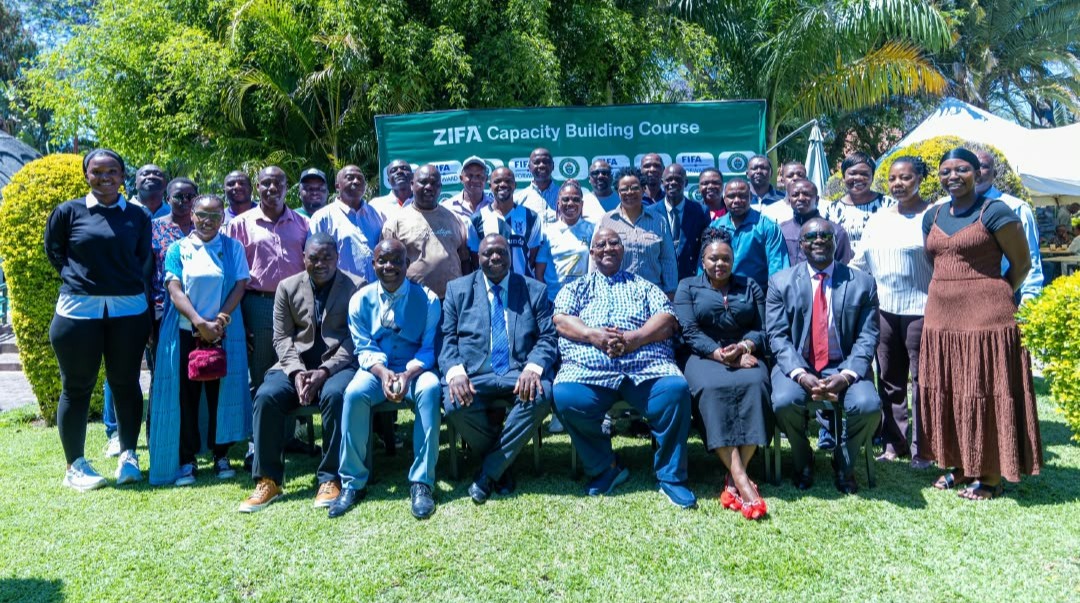
ZIFA Opens Administration Course to Strengthen Football Management
Mon 12 Oct 2026
ZIFA Opens Administration Course to Strengthen Football Management ZIFA has opened Phase Three of its Administration and Management Course in Bulawayo, bringing football administrators together for a five-day programme aimed at strengthening the institutions that manage and develop the game across Zimbabwe. The course, which runs from 12 to 16 October at Mavuna Guest Lodge […]

Zimbabwe Football Association 2026 © All Rights Reserved